Beach Access Made Easy on Margarita Island
Sandy shorelines and Caribbean breezes are part of Margarita’s charm, and several public beaches have been adapted with mobility in mind to help visitors enjoy them with minimal barriers. Wheelchair-friendly beach access ramps are present at key public access points, providing a firm, graded route from promenade level down toward the sand. Where permanent ramps aren’t feasible because of tides or dune protection, temporary ramping systems and seasonal boardwalks are sometimes installed during high visitor periods to create a stable corridor for wheelchairs and mobility scooters. Beach matting—durable, non-slip strips laid over sand—appears at some main entrances and along busy stretches to allow wheeled equipment to reach closer to the waterline; these mats reduce sinkage and make transfers easier for people using beach wheelchairs or pushing strollers. When planning a beach day, check tide tables and local announcements because temporary matting and seasonal ramps may only be in place during peak months or festivals.
Many community beach points also host beach wheelchair services or volunteer assistance programs, especially at popular, centrally located beaches that receive more support from municipal services or local NGOs. Beach wheelchairs are designed with oversized, low-pressure tires to roll on sand, and some providers offer trained assistants to help with transfers and water entry. Not all beaches on the island will offer dedicated beach chairs or on-site attendants every day, so advance inquiries via local tourist offices or community associations can confirm availability and any booking requirements. For visitors needing a flatter approach, choose beaches with firm pathways that extend from parking or drop-off points; these are often indicated on municipal accessibility maps and posted signage. Aim to arrive during mid-morning or early afternoon when municipal staff and volunteer teams are most likely to be present, and bring lightweight transfer aids if possible—these small tools can make assisted moves quicker and safer in environments where equipment is limited.
Getting Around by Road with Reduced Mobility
Margarita Island’s road network serves both residents and visitors, and urban centers have seen incremental improvements to support travelers with reduced mobility. Accessible public transportation on Margarita Island includes buses with low floors and designated wheelchair spaces on certain local routes, making short-distance travel between town centers and beachfront promenades easier for wheelchair users. Not every bus on the island is low-floor, so it helps to ask at route hubs which scheduled services are most likely to feature accessible vehicles. In towns where buses are not adapted, community transport schemes and organized shuttle services for older adults and people with disabilities operate on an ad hoc basis; these can often be arranged through municipal social services or local NGOs. Low-floor buses streamline boarding for wheeled devices and reduce the need for lifts, while designated spaces inside the vehicle are designed to be secured for safe transit—confirm securing straps or wheelchair anchorage before departure when possible.
Accessible taxi services and driver assistance are an important complement to public transit, particularly for door-to-door travel or trips outside major hubs. Some taxi operators on Margarita Island can accommodate folding wheelchairs or provide drivers trained in assisting passengers with limited mobility; pre-booking ensures the right vehicle and assistance are available. Awaiting passengers at curbside is simpler in areas with clearly marked drop-off points and lowered kerbs that make stepping from curb to vehicle significantly easier. Curb cuts, lowered kerbs and tactile paving are increasingly common in central plazas and promenades, improving independent movement between sidewalks and road crossings. In busier areas, accessible parking zones and clearly marked drop-off points help reduce the distance between transport and destinations—these zones are often placed close to main walkways, beaches, and municipal buildings. Prioritize arranging transportation in advance for key excursions, and when calling a taxi or shuttle, describe mobility needs clearly to ensure the driver brings appropriate assistance or space for securing equipment.
Ferry and Boat Travel without Barriers
Ferries and local boat services are essential for connecting communities and enabling coastal exploration around Margarita Island. Many ferry terminals and larger boarding points have introduced ramps and portable boarding systems to ease access onto vessels—these range from fixed gangways at low tide to portable ramps and lifts used by crew to bridge gaps when boards aren’t level. Where vessels can’t use built-in boarding ramps, staff frequently deploy portable solutions or lifts to assist passengers with reduced mobility. Accessible ticketing counters and priority lines are sometimes offered at main terminals for passengers who require extra time or assistance; these counters usually have lowered surfaces to accommodate wheelchair users and staff trained to prioritize boarding. When planning sea transfers, request assistance when purchasing tickets or at the terminal’s help desk to trigger the support protocols that many operators maintain for passengers with disabilities.
Boarding procedures vary by operator and terminal, so visitors should anticipate a short processing period when requesting assistance: staff may need to position ramps, stow mobility aids securely, or coordinate assistance crew for safe embarkation and disembarkation. For anyone traveling with a mobility device, it is advisable to label mobility equipment and confirm whether devices remain with the passenger on-board or are stored—policies differ among operators and can affect transfer plans. Ferry terminals connected to larger transport hubs are more likely to have lifts or hydraulic boarding systems and staff with training in assisting wheelchair users, while smaller piers may rely on local crew and portable ramps. To avoid last-minute delays, arrive early, contact terminal assistance desks in advance, and have documentation or medical notes ready if special handling is needed. Many terminals also provide covered waiting areas near accessible boarding points, offering relief from sun and rain while staff finalize boarding logistics.
Promenades and Viewpoints for Easy Strolling on Margarita
Promenades, or malecones, are social lifelines on Margarita Island—long stretches where the sea breeze, vendors, and locals meet. Many promenades now feature level pathways designed for wheeled mobility aids, with wide walking surfaces that prioritize smooth concrete or packed paving over loose stones. Tactile paving appears at major junctions and crossings, giving reliable cues for travelers with visual impairments to locate kerbs, ramps, and seating areas. Public lighting along the busiest promenades is generally consistent, helping late-afternoon or evening outings feel safer and easier to pace; light placement is often paired with frequent benches so short rest breaks are possible without detouring from the route. Where viewpoints rise above shore level, accessible ramps or gently graded switchback paths are increasingly in place, enabling people using wheelchairs or mobility scooters to reach panoramic spots without negotiating steep stairs.
Practical route planning makes a big difference for a relaxed stroll. Several promenades include clusters of benches with armrests and back support placed every 50–150 meters—ideal spots for regrouping, enjoying a snack, or waiting for companions. Many viewpoint platforms incorporate level approach areas and widened turning zones for wheelchairs and mobility scooters, so capturing photographs or watching a sunset won’t require awkward backing or tight turns. Sensory considerations also come into play: quieter sections of the waterfront that experience less vendor activity can function as de facto low-sensory corridors for families or travelers sensitive to crowds and noise. For visitors relying on tactile cues, look for consistent tactile bands that lead from parking or drop-off points to viewpoints and crossing points; municipal maps and local accessibility guides often mark these features, and port authorities sometimes post schematic diagrams at terminals showing how promenades link to transport hubs.
Cultural Sites with Barrier-Free Routes and Accessible Interpretation
Museums and cultural centres on Margarita Island are progressively adapting to provide barrier-free routes that connect entrance lobbies, exhibit halls, and interpretive zones without abrupt level changes. Many venues now ensure doorways meet accessible width guidelines and install ramped approaches where original thresholds were too high—these changes help wheelchairs, mobility scooters, and families with strollers move through exhibits fluidly. Inside galleries, wide circulation aisles and thoughtfully placed resting benches permit slower-paced exploration and allow groups to pause without blocking sightlines. Where architectural constraints limit physical modifications, several cultural sites offer alternative exhibit paths or virtual viewing stations so visitors can still access collections comfortably from accessible routes.
Interpretation and sensory access are receiving more attention: audio description programs, recorded guides, and tactile exhibit elements are being introduced at select museums to serve blind and low-vision visitors. Tactile maps and raised-relief panels help with spatial orientation, permitting independent exploration of complex layouts, while clear, large-print labels on display cases increase readability for visitors with low vision. Staff training programs at cultural institutions are increasingly including disability awareness modules, equipping attendants to support guests during hands-on experiences and to facilitate touch tours or quiet-hour visits where possible. For travelers wanting guided visits with accessibility support, it’s wise to request assistance in advance; many sites will reserve a quieter time slot, arrange a tactile orientation, or provide an interpreter when given notice, optimizing the museum experience for diverse needs.
Food and Drink with No Steps Involved: Dining Access Across Towns
Accessible dining on Margarita Island spans casual seafood shacks on the boardwalk to family-run cafes in quieter neighborhoods, with an increasing number of establishments offering level entrances and wide doorways to welcome guests with mobility aids. Level thresholds and ramped entries are most common in newer or recently renovated spots, while older buildings may rely on portable ramps—so calling ahead to confirm physical access can prevent surprises. Inside, many venues arrange movable tables and provide clear space to transfer between a wheelchair and a chair where needed; staff in popular districts have become accustomed to assisting with table placement and offering extra room for companions. A growing number of eateries offer large-print menus, and select places are beginning to adopt Braille or tactile menu aids—these practices make ordering more independent for customers with vision impairments.
Neighborhood clusters—particularly those near main promenades and market areas—tend to host multiple accessible options within a short walk, making it easier to plan meals without long detours. For travelers with sensory sensitivities, quieter lunch hours and shaded terraces provide pleasant alternatives to busy evening times; when making reservations, specify preference for calmer seating or a table away from live music. Restroom proximity is an important practical factor: many accessible restaurants ensure accessible restrooms are located close to the dining room and clearly signposted. When in doubt, request a quick description of entrance gradients, restroom placement, and whether staff can help with carrying trays or opening doors—these small accommodations often transform a routine meal into a stress-free outing.
Accessible Restrooms, Changing Rooms and Family Facilities Around the Island
Accessible public restrooms and family changing facilities are essential for comfortable outings on Margarita Island, particularly near beaches, promenades, and major attractions. Many municipal rest stops now include fully accessible stalls fitted with grab rails, fold-down changing benches, and enough turning space for a wheelchair. Family changing rooms with accessible fixtures offer changing benches and adult-sized changing tables, and where possible, integrated shower or washing facilities to manage hygiene needs after a long day outside. Signage for these facilities is increasingly bilingual (Spanish-English) and includes clear pictograms indicating dimensions and key features so users can quickly decide whether a facility suits their needs.
Finding these facilities on the go is easier when planning ahead: municipal maps and visitor centres often mark accessible restrooms and changing rooms, and some digital city guides include photos of access points and interior layouts. When beaches or promenades lack a permanent accessible restroom, temporary facilities are sometimes provided during peak season or large events—checking local authority announcements can confirm availability. Practical advice includes carrying a compact transfer mat or portable toileting aid if transfers are usually assisted, and noting that some family facilities include space for companions, making personal care tasks smoother. For parents traveling with children with disabilities, look for changing rooms that provide privacy, adequate floor space for mobility aids, and convenient proximity to play areas so the whole family can transition between activities with minimal interruption.
Rentals, Medical Support and Assistive Services on Margarita Island
Rental services for assistive devices are increasingly accessible on Margarita Island, offering wheelchairs, mobility scooters, beach wheelchairs with oversized tires, and transfer aids for short-term use. Reliable suppliers often provide online reservation options and delivery or pickup near major ports, terminals, or central plazas. When booking, confirm battery ranges for scooters, dimensions that affect transport and storage, and whether the supplier offers training on safe operation and basic troubleshooting. For beach outings, specialized beach wheelchairs with large flotation-style wheels are valuable; a number of providers collaborate with local volunteer groups or municipal services to deliver assistance at designated beach access points during peak periods.
Medical supply and physiotherapy clinics on the island support visitors needing clinical services, repairs, or prosthetic adjustments while away from home. Clinics usually require documentation for device warranties or prescriptions for specialized equipment, and many recommend advance contact to schedule appointments—walk-in availability varies by location and season. Short-term replacements and urgent repairs are often possible if suppliers stock spare parts and accessory kits, but complex adjustments may require longer lead times. It’s prudent to carry copies of prescriptions, wheelchair sizing details, and supplier contact information; these help local clinicians and technicians provide timely, accurate service. For peace of mind, identify a primary rental or medical supplier before arrival, and verify their procedures for emergency replacements, delivery fees, and on-call support during off-hours.
Emergency Services and Safety Protocols for Disabled Travelers
Emergency response systems on Margarita Island accommodate travelers with disabilities through adapted ambulance access, trained first responders, and coordination protocols at transport hubs. Ambulance crews typically know how to handle stretchers and assist with non-ambulatory passengers, and in many urban centers responders use equipment that facilitates safe transfers from wheelchairs to stretcher systems. When seeking emergency help, clearly communicating mobility needs—such as whether a person transfers independently, uses a specific seating or restraint system, or requires oxygen or specialized medication—helps first responders prepare appropriate equipment and personnel. In high-traffic or remote areas, it’s useful to note that response times may vary, so planning for contingencies and carrying emergency contact details in both Spanish and English is a sensible precaution.
Personal emergency planning increases safety and confidence while exploring. Recommendations include creating a concise medical summary card listing diagnoses, medications, device specifications, and emergency contacts in both languages, and placing it in an easy-to-find pocket or on a lanyard. For people who rely on assistive devices, marking equipment with a name tag and contact number aids recovery if an item is misplaced during transfer or transport. Some community organizations provide emergency response briefings tailored to residents and frequent visitors with disabilities; contacting local NGOs in advance can yield localized guidance and sometimes offer contacts for rapid-response volunteers who understand accessibility needs. Lastly, when using public ferries or boats, inform terminal staff of mobility requirements early so vessel crews can coordinate safe boarding and disembarkation procedures in case an emergency arises while afloat.
Accessible Outdoor Activities and Nature Trails Worth Trying
Outdoor enthusiasts will find several wheelchair-accessible trails and nature paths shaped for easy exploration around Margarita Island’s calmer coastal and park areas. Surfaces typically range from compacted gravel and firm-packed earth to paved promenades, and many accessible routes are deliberately routed to avoid steep gradients—look for trails that advertise gradients below 5% for easiest independent travel. Signposted loops in protected areas often include rest shelters, interpretive panels at accessible heights, and viewing platforms with ramp access. For those who enjoy marine environments, certain providers run accessible snorkeling programs that combine beach wheelchairs, trained assistants, and shallow entry points, enabling people who use wheelchairs to experience the water with appropriate support and adapted flotation gear.
Choosing the right outdoor activity depends on surface conditions and seasonal weather. Rain can soften packed earth or make compacted gravel slightly more challenging, so plan nature outings during drier months or mornings when trails are firmer. Adaptive operators commonly describe the exact surface type, incline, and turning radii of trails on booking pages, so reviewing these details ensures equipment suitability and reduces surprises. Many inclusive tour operators include rest breaks and accessible toilet stops in their itineraries and list transport specifications—such as low-floor minibuses or vehicles with securement systems—so passengers can assess comfort and safety. With advance arrangements, outdoor experiences on Margarita can be both invigorating and accessible, providing scenic encounters without unnecessary barriers.
Family Fun with Accessibility in Mind
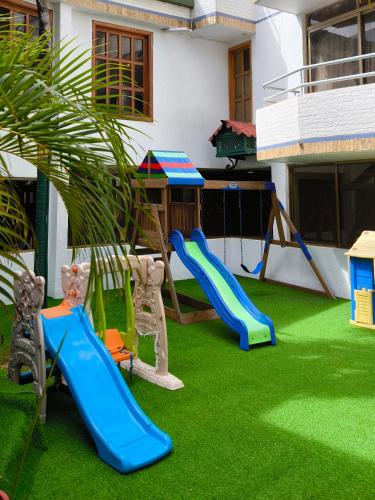
Family-friendly facilities on the island increasingly reflect inclusive design: accessible playgrounds with soft, level surfacing, shaded rest areas, and clear sightlines that help caregivers supervise children with diverse needs. Play areas designed with transfer platforms and sensory panels invite participation for children with physical and cognitive disabilities, while nearby benches and covered picnic spots make supervision easier for adults. Quiet or sensory-friendly visiting hours at some attractions help families who prefer reduced noise and crowding; these time windows are often available by request and are especially useful for visitors managing overstimulation or those with autism spectrum conditions.
Planning a family day out benefits from a checklist approach—confirm the presence of accessible changing rooms, proximity of accessible restrooms, and availability of first-aid stations. Some family leisure areas offer rental strollers designed for children with mobility impairments or harness-based seating for extra support; if these items aren’t standard, local disability organizations may provide loan schemes or advice on where to source specialized gear. When arranging visits, ask whether the venue offers shaded routes between attractions and whether staff are trained to support families with specific needs; small accommodations like being shown a quieter entry or having an alternate route to avoid steps can transform an ordinary outing into a relaxed, memorable family experience.
Visual and Sensory Access for Blind and Low Vision Travelers
Tactile paving, tactile maps, and audio description services are increasingly visible across Margarita Island’s busiest public nodes, and these tools form the backbone of independent navigation for blind and low-vision visitors. Tactile paving is commonly installed at street crossings, major curb cuts, and the approaches to ferry terminals and promenades; its patterned bands signal kerbs, platform edges, and directional routes. At several transport hubs and municipal visitor centres, tactile maps—often mounted at reachable heights—show simplified layouts of promenades, beaches, transport stops, and public restrooms using raised lines and Braille labels. When tactile maps aren’t available, many cultural sites and larger terminals provide downloadable or printed audio-described route notes that outline step-free paths, gradients, and likely obstacles. Requesting audio description in advance can also trigger staff to supply heightened verbal orientation on arrival, such as tactile descriptions of ticket counters, raised edges, or doorways.
Large-print menus, Braille menus, and orientation aids have become more common in dining districts and museum cafés, offering accessible reading options for visually impaired guests. Audio guides and recorded exhibit descriptions are offered at select museums, and many heritage sites maintain a repository of audio files or USB-based content that can be used on personal devices. For independent navigation, orientation aids—like high-contrast signage, consistent color-coding for routes, and tactile bands leading from drop-off points to main entrances—are crucial; these cues reduce reliance on ad hoc verbal directions and speed up wayfinding. Practical tips include contacting venues ahead to confirm the presence of specific tactile aids, asking whether staff can offer a quick tactile tour or sighted guide service upon arrival, and carrying a small flashlight or color-contrast card to help read signage where contrast is low.
Communication Access and Staff Support
Sign language interpretation and trained staff make a tangible difference for travelers who rely on visual communication or extra assistance, and an increasing number of cultural institutions and tourist offices on Margarita Island include basic sign language training in staff orientation. While full-time interpreters are not ubiquitous, many museums, larger transport terminals, and inclusive tour operators maintain contact lists for local interpreters who can be scheduled for guided visits, workshops, or special events. Staff training programs often focus on practical support skills—how to describe spatial layouts, assist with transfers where needed, and use clear, respectful language—so callers who request assistance in advance can expect a more coordinated welcome. Bilingual signage (Spanish–English) is common in visitor-facing areas, and written communication options—such as printed confirmations, large-font notices, or messaging via WhatsApp or email—are helpful for bridging language gaps and ensuring instructions are preserved.
To secure communication support, it helps to request services at the time of booking or at least 48–72 hours before arrival, especially during peak seasons when interpreter availability and trained staff shifts are busier. Travelers who need continuous communication assistance should ask whether venues offer quiet waiting areas, written summaries of tours, or the option to receive exhibit descriptions in print or digital formats. When contacting a venue, clearly state the type of support required—signed interpretation, live captioning, printed materials in large-print, or staff assistance—and confirm logistics such as meeting points, timing, and any fees. Many organizations are happy to accommodate when given notice, and having a short, written note explaining the request in Spanish and English can simplify arrangements with local staff.
Accessible Arrival Options at Airports and Terminals
Airport and ferry terminals serving Margarita Island increasingly provide structured assistance for passengers with reduced mobility, from dedicated curbside drop-off lanes and lowered kerbs to accessible ticketing counters and priority boarding lines. Major terminals typically feature assistance desks with staff trained to coordinate transfers, deploy portable ramps, and arrange on-board wheelchair storage where policies allow. When booking plane or ferry travel, enabling the carrier’s special assistance option early triggers airport and terminal procedures such as meet-and-assist services, which ensure a smoother progression through check-in, security screening, and boarding. For ferry travel, priority lines and lowered counters at main docks expedite access for travelers who require additional time or space to board with mobility aids.
Practical expectations are important: assistance teams may request that passengers arrive earlier than standard check-in times to arrange ramps, lifts, or securement systems, and policies vary on whether mobility devices remain with the passenger while on board. Airlines and ferry operators usually require clear notification of mobility equipment dimensions and battery types for powered devices; sharing these details at booking helps terminals prepare the right ramps, storage areas, and medical clearance if necessary. Travelers should also ask about the presence of covered waiting areas near accessible boarding points and the process for disembarkation at arrival—especially when changing tide or dock conditions could require portable ramp use. Maintaining a paper or digital copy of assistance confirmations and a succinct equipment specification card speeds coordination at busy terminals.
Booking Smart on Agoda for Accessible Stays
Using Agoda effectively for accessible travel starts with targeted search filters and careful review of listing details. On Agoda’s platform, filters allow travelers to narrow results by accessible-friendly attributes; however, verified accessibility details and traveler photos are the most reliable indicators of real-world suitability. Look beyond filter tags: examine property photos for level entrances, ramp gradients visible at entry, the width of doorways captured in images, and any floorplan descriptions that show interior circulation. Traveler reviews often include specifics about first-hand experiences—door widths, moving around with a wheelchair, or staff helpfulness—and recent reviews tend to reflect current conditions; prioritize listings with multiple recent comments mentioning accessibility to build confidence.
When messaging a property or service through Agoda, be concise and specific: include device dimensions, whether a powered chair has removable batteries, needs for transfer space, and any restroom requirements. Suggested wording can include direct requests such as: “Can you confirm a step-free entry and door width at the main entrance? Is there an accessible restroom nearby?” Always attach a clear photo or a short diagram of equipment if space allows—this eliminates ambiguity. Confirm arrival assistance logistics, such as closest accessible drop-off points and elevator access, and request written confirmation in the Agoda message thread so there is a record of the arrangement. If verified accessibility information is lacking, ask for updated photos or a short video showing entrance approaches and interior routes; many hosts are willing to provide these on request.
Verified Accessibility Information and Proof Points
Verified accessibility information on listing pages is most compelling when it includes concrete proof points—dimensioned doorways, step-free entry photos, and clear images of restroom interiors. Practical signals of genuine accessibility include labelled photos showing ramp gradients, accessible ticket counters, and wide corridor views that allow estimation of turning radii. Floorplans that include measurements for door widths and clear floor space around fixtures (for example, at least 150 cm turning circles) are especially useful since they let travelers match venue geometry to their equipment. Traveler-contributed photos and recent reviews that mention staff assistance, presence of tactile paving outside, or the proximity of accessible parking are reliable corroboration of on-the-ground reality.
For critical needs, triangulate information: combine the listing’s photos and floorplans with recent guest reviews and direct confirmation from the property via Agoda messaging. If any detail cannot be corroborated visually or via a trustworthy review, request a short video walkthrough from the property or ask them to confirm measurements in writing. When browsing, flag listings where amenity tags exist but no supporting photos or reviews appear; these may require additional verification. Keep records of confirmations and screenshots of messages—these can be invaluable if adjustments are needed upon arrival and support claims regarding advertised accessibility features.
Local Laws, Standards and Advocacy Resources
Venezuela’s legal framework contains accessibility standards that establish minimum requirements for public buildings, transport, and municipal infrastructure, though enforcement and local implementation can vary across regions and islands. On Margarita Island, municipal authorities have adopted incremental improvements—like curb cuts, tactile paving, and ramp installations—often guided by national accessibility codes. That said, travelers should anticipate variability: older historic zones or informal market areas may not fully meet contemporary standards. For up-to-date guidance and clarifications on local regulations, contacting regional municipal offices or consulates before travel can provide actionable information on what to expect and any recent public works that improve accessibility in specific neighborhoods.
Local NGOs and advocacy groups are critical resources for current, practical accessibility information and often operate community support programmes, rental referrals, and volunteer assistance initiatives. These organisations can share recent updates on accessible routes, identify dependable local suppliers for assistive equipment, and sometimes help coordinate short-notice support at events or beaches. Reaching out to advocacy groups ahead of arrival can yield localized tips—such as which promenades are best maintained, where tactile paving has been updated, or which terminals routinely deploy portable ramps. They can also provide guidance on legal recourse should accessibility commitments not be met, and on community norms for requesting assistance respectfully.
Orientation Tools and Pre Trip Planning Aids
Tactile maps, orientation guides, and simple route schematics dramatically reduce stress for visitors on Margarita Island, and many municipal visitor centres, ferry terminals, and accessible tourism operators can supply these tools on request. Orientation aids range from printed, high-contrast route maps that mark accessible drop-off points, restrooms, and beach ramp locations, to downloadable GPS tracks that flag low-gradient approaches and restroom proximity. For visually impaired travelers, prepare a tactile route card that lists sequential landmarks and approximate distances between points—this can be used alongside tactile paving to confirm position while moving. Digital planning tools that incorporate accessible waypoints, such as curated GPX files and printable checklists, help map out a full day’s itinerary with realistic timing for rests and transfers.
A practical pre-trip checklist should include confirming transport assistance at airports and ferry terminals, arranging assistive device rentals and delivery, verifying accessible restroom locations along planned routes, and requesting any communication supports in advance. For those traveling with powered devices, include battery specifications, expected range, and charging access points at venues. A sample planning template might list each day’s main stop, nearest accessible washroom, drop-off coordinates, and the local contact number for assistance or rental suppliers. Share this plan with companions and store copies in both digital and printed formats to ensure multiple ways to access critical information during the trip.
Inclusive Day Trips and Tour Operator Options
Inclusive tour operators on Margarita Island increasingly package day trips with clear accessibility specifications: low-floor minibuses or vehicles equipped with securement systems, planned rest breaks at accessible toilets, and guides trained to assist with transfers and pacing. Operators who specialize in accessible excursions typically list surface types, maximum gradient on walking sections, and suggested mobility device suitability—details that are vital when matching a route to a traveler’s needs. When evaluating operators, review their transport specs (doorway heights, onboard securement straps), the ratio of assistants to guests, and whether they provide specialized equipment like beach wheelchairs for coastal stops. Tours that include shorter walking loops, flatter viewpoints, and accessible picnic areas are often better choices for comfortable, scenic experiences.
Vetting operators includes asking for recent references from travelers with similar mobility needs and requesting a sample itinerary that calls out accessible toilet locations, transfer points, and any steps in the activity. If a tour involves water activities, confirm the presence of trained attendants for transfers, appropriate flotation aids, and whether beach wheelchairs will be delivered and retrieved at the site. Inclusive providers frequently offer flexible itineraries that allow for slower pacing or alternate routes to avoid steep stairs; request these options in writing before booking. For one-off experiences like accessible snorkeling or nature trail loops, confirm cancellation policies, deposit terms, and any permit requirements well in advance to minimize surprises.
Lighting Seating and Rest Points that Matter
Public lighting, seating, and rest points are essential urban design elements that greatly influence how comfortably travelers move around Margarita Island. Well-placed lighting increases evening visibility, assists with depth perception for low-vision travelers, and creates safer, more usable promenades after sunset. Frequent benches with armrests and back support placed every 50–150 meters make longer walks manageable for people who tire easily, allowing natural stopping points without detours. Many promenades and public routes now feature clusters of benches near viewpoints, shade trees, and rest shelters—these provide both respite and convenient gathering spaces for companions.
When planning routes, prioritize streets and promenades known for consistent lighting and regular placing of benches. For longer sightseeing circuits, map out rest points in advance and pace visits to coincide with shaded or sheltered locations for mid-day breaks. Lighting quality matters as much as quantity: well-directed fixtures that reduce glare and avoid deep shadow zones are easier for low-vision travelers to navigate. For those relying on shorter bursts of mobility, identifying segments with bench clusters and adjacent accessible restrooms helps coordinate outings that feel leisurely rather than rushed. Photographs and reviews that show benches, shelters, and lighting near attractions are a practical way to confirm these amenities before departure.
Pricing, Permits and Practicalities for Accessible Activities
Understanding pricing structures, deposit policies, and permit requirements is important when planning accessible activities on Margarita Island. Assistive device rentals often charge daily rates plus optional delivery and pickup fees, and specialized equipment—like beach wheelchairs with oversized wheels or adaptive snorkeling gear—may carry premium pricing or limited availability during peak season. Many operators require small deposits to reserve adaptive equipment or accessible tour slots; clarify refund windows and cancellation terms before committing. When planning transport assistance at airports or ferry terminals, some carriers may apply handling fees for special assistance, particularly for powered devices with battery testing and compliance requirements.
Permits for certain adapted activities—such as guided conservation area visits or organized water-based experiences—may be required and sometimes have limited daily quotas to protect natural sites. Booking these well in advance reduces the risk of missing out and often secures more favorable pricing. Keep documentation handy: prescriptions for medical equipment, proof of mobility aid ownership, and clearance forms for battery-powered devices streamline last-minute arrangements. Ask suppliers for written invoices detailing fees and refund conditions, and check for any seasonal variations in pricing that can affect total trip cost. Finally, keep a small contingency fund for unexpected support requests like urgent repairs or last-minute delivery of equipment.
Local Community Initiatives and Volunteer Assistance
Community transport schemes and volunteer-run assistance programs are a notable strength on Margarita Island, often filling gaps where formal services are limited. Volunteer groups commonly organize beach assistance during high season, helping with transfers, pushing beach wheelchairs, and coordinating access ramps. Community transport schemes for older adults and people with disabilities operate on variable schedules but can often be booked for door-to-door trips, especially in urban hubs. These grassroots efforts may be coordinated by local NGOs, town councils, or church groups, offering generous local knowledge about the most accessible routes, restroom locations, and event schedules.
Connecting with volunteers or community organisations ahead of arrival helps secure reliable on-the-ground support: many groups maintain contact lists and can respond to short-notice requests for assistance at beaches, festivals, or market days. Etiquette with volunteer groups is straightforward—express gratitude, respect local customs around tipping or donations (which vary by community), and provide clear details about mobility needs to minimize confusion. Local NGOs can also guide visitors toward respectful practices when asking for help, such as arriving prepared with a simple request card in Spanish and English, and offering modest contributions to sustain volunteer programmes when appropriate. These community resources not only provide practical assistance but also open doors to meaningful local interactions that enrich the travel experience.
Checklist and Sample Communication Templates
A concise pre-trip checklist makes coordinating accessible travel on Margarita Island straightforward: confirm assistance at arrival points (airport/ferry), reserve assistive devices and verify delivery times, request accessible transport with securement systems, confirm accessible restroom locations along planned routes, and secure any needed interpreter or communication support ahead of visits. Include copies of medical summaries, device specifications (dimensions and battery type), and emergency contact details in both Spanish and English. Pack practical aids such as a compact transfer mat, spare batteries, a universal charging adapter, and printed confirmations of all bookings in addition to digital copies.
Sample communication templates are useful when contacting providers. A short, clear message to a transport or attraction might read: “Hello—arriving on [date] at [time]. Require step-free access and assistance boarding with a wheelchair (seat width X cm, battery type Y). Please confirm ramp and staff availability and nearest accessible drop-off.” For equipment rental: “Requesting a mobility scooter/wheelchair from [date] to [date]. Device specs needed: range, dimensions, delivery/pickup fees. Can you confirm battery testing policy and any deposits?” Use these templates as a base, adapting specifics like measurements and medical needs. Save sent messages and confirmations in the Agoda booking thread when possible to create a documented trail of arrangements.


 See all


 See all


 See all


 See all


 See all


 See all


 See all


 See all


 See all


 See all

