Why Margarita Island makes family beach time simple and sunny
Margarita Island’s coastlines are built for easy family days: long stretches of sand, shallow shorelines and multiple bays that let parents set up a comfortable base while kids explore close by. Playa El Agua stands out for its broad sandy plain where young children can run free and build elaborate sandcastles without immediate wave hazards; the gradual slope helps parents gauge safe swimming zones and keeps paddling distances short for toddlers. Playa Parguito, while more dynamic, often has clearer surf suited to slightly older kids who want to practice basic bodyboard skills or splash in steady, predictable waves under supervision. Playa Caribe’s smaller coves and calm corners provide natural windbreaks on breezier days, making them good choices when a gentler sea is needed for infants or for families wanting a quieter spot away from busier beachfront stretches.
Seasonal shifts in sea state matter for family planning: the dry season tends to bring calmer seas and longer stretches of reliable sunshine, which suits daytime beach play and short boat trips, whereas the wetter months can increase wave action and occasional runoff that affects water clarity. Lifeguard coverage varies by beach and by season, so families frequently search for up-to-date local advisories before picking a spot; local tourism offices and onsite signage are the most reliable sources for current safety notes. Basic beach safety—monitoring children at the water’s edge, using age-appropriate flotation aids, and scheduling sun-peak avoidance—keeps time on the sand relaxed. Planning flexible half-day beach stints also helps families pivot to shaded activities when afternoon winds pick up or when the little ones need quiet time off the sand.
Child-friendly beaches that kids really enjoy
Families often prioritize beaches where kids can play freely and parents can easily supervise; Margarita Island offers several distinct options. Gentle stretches with wide sand flats are ideal for toddlers learning to toddle over mixed textures—sand, pebbles and occasional rock pools that add a world of tactile discovery. Look for sheltered coves where the swell is reduced and entry points are gradual; these areas allow children to puddle and wade safely while older siblings try snorkeling just beyond the shallow fringe. For slightly older kids, locations with clear, calm pockets near natural reef formations offer easy first-snorkel opportunities where colorful reef fish are visible from shallow depths. Families should scout entry points—rocky versus sandy—and pick spots with natural shading or nearby palm clusters for midday breaks.
Windier beaches are a different kind of family playground and are better suited to older children who crave activity. Those stretches often host schools and rental areas for beginner-friendly non-motorized watersports; while parents supervise from the beach, teens can take short lessons or try supervised sessions on beginner gear. Safety-conscious families benefit from checking tidal schedules, local weather briefs and any posted advisories about currents. When planning a beach day with mixed ages, consider splitting time between two nearby beaches—start in a sheltered cove for early-morning calm, then move to a breezier site after lunch when older kids can exert more energy. Packing small comforts—shade umbrellas, quick-dry towels and simple shore toys—makes transitioning between different beach types easier and keeps the day fun for every age.
Isla de Margarita family attractions kids ask about
Isla de Margarita’s family attractions mix natural curiosity with light cultural touches that appeal to a wide age range. Small aquariums and marine interpretation centers provide controlled environments where children can get close to local fish species and learn about coastal ecosystems without the unpredictability of open-water encounters; exhibits typically present information in visual, hands-on formats that hold short attention spans. Botanical gardens and easy nature trails add sensory variety: kids can identify local plants, watch small birds, and explore shaded paths that are short enough for younger legs. Museums on the island tend to be compact and themed—focusing on regional history, maritime life or local crafts—and many present displays that can be framed as stories to make visits engaging for school-age children. Timing visits for cooler morning hours helps families avoid midday heat while giving children enough energy to appreciate interactive exhibits and guided demonstrations.
Practical visit tips help families get the most out of each attraction: identify nearby shaded rest areas and restroom availability before arrival; choose exhibits with short attention-span-friendly elements like touch displays or live demonstrations; and aim for weekday mornings if scheduling allows, since smaller crowds reduce stress for parents managing youngsters. For multi-generational groups, pick attractions that offer mixed engagement levels—places where grandparents can enjoy slower-paced cultural context while children spend time in a kid-focused discovery zone. Local visitor centers and community tourism boards are dependable resources for current opening hours, special family programming and any temporary closures or seasonal events that might affect a planned visit.
Pampatar boardwalk activities perfect for family afternoons
Pampatar’s waterfront stretches are ideal for family afternoons that balance light activity with easy downtime. The boardwalk itself offers a stroller-friendly promenade where children can roll scooters or hunt for shells along the edge while adults enjoy panoramic views of the bay. Small vendors and market stalls dot the route; these provide pleasant stops for quick snacks, cold drinks, and simple souvenirs without long detours. Timing an afternoon around late afternoon can catch gentler sea breezes and golden light for photos, while shorter strolls earlier in the day avoid the warmest sun. Benches, shaded nooks and public plazas provide natural break points so caregivers can rest without cutting the outing short, and the compact layout means younger kids won’t tire out with long walks.
Beyond the promenade, Pampatar’s bayside piers and viewpoints invite short exploratory diversions that appeal to multiple ages. Older children often like watching small fishing boats come and go, spotting seabirds and comparing different boats’ paintwork and flags, while younger kids enjoy the tactile pleasures of small piles of pebbles, driftwood, and tide-line treasures. Markets adjacent to the boardwalk sometimes host artisans demonstrating simple handcraft techniques—an engrossing, low-commitment activity for curious children who like seeing how things are made. For families with mixed interests, combine a 30–60 minute market browse with a relaxed walk and an early-evening snack stop; this keeps momentum and provides a natural end-point when children begin to lose patience. Practical details such as lightweight sun cover, refillable water bottles, and a small foldable blanket make bench-side picnics more comfortable and reduce the need to hunt for seating during busy periods.
La Asunción cultural stops that engage curious kids
La Asunción’s compact historic center is well-suited to short, story-driven explorations that keep young imaginations engaged without overwhelming them. The town’s plazas and small churches present clear, bite-sized cultural moments—each square or façade can be framed as a mini-adventure: find the oldest building, spot the carved door, or listen for cathedral bells. Guided family walks that use simple narratives (pirate-era tales, local hero stories, or craft-trade histories) help anchor visits for small children who respond well to storytelling. Many of the cultural sites are close together, so itineraries can be created as short loops: a 45–90 minute outing that includes a plaza pause for snacks and a playground visit keeps energy levels balanced and gives caregivers predictable rest stops.
Hands-on engagement is possible in La Asunción with craft stalls and local artisans who often welcome onlookers, making it easy for kids to observe traditional woodworking, pottery or weaving. Short demonstrations work best for younger attention spans; if a workshop offers child-friendly mini-sessions, these become memorable highlights. For families traveling with older children, include a quick museum stop that provides visual displays—maps, old photographs and maritime artifacts resonate well with school-age kids and teens who enjoy connecting history to place. Timing cultural visits for mornings helps avoid midday heat and keeps the group alert; bring lightweight sun protection and a portable snack to bridge between stops. Accessibility in town centers varies—select routes with paved sidewalks and easy curb crossings for strollers or older relatives, and confirm restroom locations before setting out to keep the walk pleasant for everyone.
El Yaque watersports for energetic older children
El Yaque is famous for consistent winds and broad shallow lagoons, making it a prime environment for energetic older children eager to try wind-powered sports. Teenagers often find windsurfing and kitesurfing exhilarating here because the water’s shallow entry and regular onshore breezes reduce intimidating deep-water conditions while allowing rapid skill progression. Many local schools and instructors offer beginner packages geared to teen learners, with short lesson blocks that prioritize basic balance, safety briefings and practical drills in shallow water. Lessons tailored to family groups can let parents observe from shore while teens receive hands-on coaching; this balance supports safety and confidence without requiring adults to enter the water for every session.
Seasonal wind patterns shape the best windows for lessons: peak windy months present consistent conditions that accelerate learning, while calmer periods allow beginners to practice foundational balance and steering without gusts. Safety measures that families should prioritize include age-appropriate instruction, suitable protective gear such as impact vests, and clear briefing on local right-of-way rules among water users. Bringing lightweight, quick-dry clothing, waterproof sunscreen, and a change of clothes for the return trip keeps the day hassle-free. For mixed-age groups, divide activities so older kids get intensive lesson time while younger siblings enjoy supervised beach games or supervised shallow-water play with flotation aids. Short lesson lengths combined with regular breaks maintain focus and reduce fatigue, ensuring the experience feels fun rather than exhausting.
Parque Guaraguao and outdoor play areas for active families
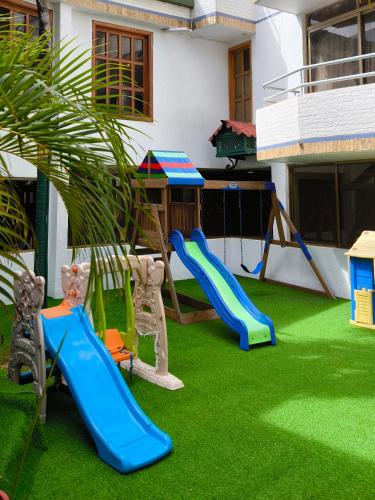
Parque Guaraguao and similar green spaces around Margarita Island offer refreshing alternatives to beach days, especially for families who want shaded play, picnics and short nature walks. These parks contain playground equipment, open lawns for ball games and quiet paths through tree cover that invite wildlife spotting and low-impact exploration. Toddlers thrive on the simple sensory experiences of soft grass, birdwatching and climbing-friendly structures; caregivers can set up compact play zones while keeping an eye on younger children from close distances. School-age children enjoy scavenger-walk activities—counting bird species, identifying leaves or following short map scavenger hunts—turned into light educational games that keep the outing lively and engaging. Picnic tables and shaded resting spots provide clear endpoints for snack breaks and nap-friendly pauses.
For families with older relatives or mobility concerns, many park paths are paved or gently graded and can accommodate strollers or wheelchairs for short stretches; however, accessibility varies between sites so validating route conditions beforehand saves time. Water and restroom availability is often limited in smaller parks—packable hydration and a basic restroom plan for longer stays are practical musts. Activity-wise, split time between open-play sessions and guided mini-explorations to maintain interest: for example, 30 minutes of free play, a 15–20 minute nature walk, followed by a relaxed picnic. Local community boards or visitor centers sometimes list weekend family programs, like children’s storytelling or plant-identification walks, which make parks into lively community hubs on select days. Bringing simple play props—balls, bubbles, a magnifying glass—elevates the natural environment into an exploratory playground with minimal gear.
Boat trips to nearby islets that keep kids entertained
Short boat excursions from Margarita to nearby islets are tailor-made for families seeking light maritime adventure without long open-ocean exposure. Many family-friendly trips focus on calm, sheltered routes that keep travel time minimal—typically one to three hours round-trip—so children are less likely to tire or become restless. Glass-bottom segments or shallow snorkeling stops let kids spot fish and corals without deep-water immersion, and many operators plan routes around natural features like calm cays or protected inlets that produce clearer water and minimal swell. Packing a small activity kit—coloring pages, binoculars, and healthy snacks—helps maintain interest during transit and creates moments of shared discovery when marine life is spotted.
Choosing the right excursion depends on children’s ages and tolerance for motion; daytime departures often yield smoother seas and more active wildlife. For families concerned about seasickness, select shorter rides with sheltered cabins or shaded seating options and schedule salt-free snacks and hydrating liquids beforehand. Safety details matter: confirm life jacket availability in child sizes, ask about restroom access on board, and inquire about rest stops or shaded zones where younger kids can nap if necessary. Many operators conduct brief educational narrations that describe local flora and fauna in kid-appropriate language—these transform passive boat rides into mini-lesson experiences that captivate school-age children. Consider combining boat trips with a short shore picnic on an islet or a supervised swim in a calm inlet to give children a tangible reward and stretch legs after sitting.
Glass-bottom boat tours and young marine curiosity
Glass-bottom boat tours are superb for introducing young children to marine life without the need for masks or water skills. These tours typically cruise over shallow reefs and sheltered lagoons where visibility is good and colorful fish are easily seen from the viewing panels. For younger children, the novelty of peering through a glass panel at schools of fish and occasional rays provides immediate engagement and sensory excitement; short commentaries that point out specific species or features help maintain interest without information overload. Seating arrangements usually allow families to cluster together so parents can interpret sightings and keep excited kids settled. Morning departures often offer the clearest water and calmest seas for viewing, which improves the quality of on-board observation and photos.
Preparing children for a glass-bottom tour increases enjoyment: brief pre-briefs about staying seated for viewing, pointing out what kinds of fish might be seen, and bringing a small hand-held magnifier or child-safe camera encourages active participation. For families with infants or toddlers, choose boats with easy boarding ramps and shaded viewing areas to protect little ones from direct sun exposure. Because visibility depends on weather and seasonal water clarity, pick days with minimal wind and avoid tours scheduled right after heavy rains that can reduce water transparency. Simple comforts—snacks, sunscreen, and lightweight blankets—make the ride smoother for families who plan to linger longer on board. Selecting operators who emphasize short, well-paced itineraries keeps the overall outing within children’s attention spans and ensures the experience remains exciting rather than tiring.
Dolphin-watching excursions with family-friendly considerations
Dolphin-watching outings can create unforgettable memories for kids when organized with family needs in mind. Best excursions run during early morning hours when dolphins are frequently active nearshore, yielding higher sighting success and calmer sea states that reduce motion discomfort for young passengers. Tour lengths vary, but family-oriented trips often limit outings to two to three hours to balance viewing opportunity with children’s stamina. Responsible operators follow ethical viewing guidelines—maintaining respectful distances and avoiding behaviors that stress animals—so families should inquire about operator practices in advance to ensure encounters align with conservation-friendly standards.
When selecting a dolphin excursion, prioritize boats with shaded seating and child-sized life jackets; confirm policies on restroom access and whether children under a certain age are permitted on specific trips. Preparing kids for what to expect—explaining that dolphins are wild, sightings are never guaranteed, and that quiet observation increases the chance of success—helps manage excitement and prevents disappointment. Pack motion-sickness remedies if children are sensitive to movement, and bring small activities to occupy waiting periods between sightings. Alternative options for families who prefer no-sea trips include land-based viewpoints where dolphins sometimes pass close to shore, or short harbor-based outings that keep children within sight of the beach. These lower-intensity choices still offer marine-themed excitement without long boat time, serving as practical substitutes for families with infants or children who tire easily.
Safe snorkeling spots where children can see colorful fish
Several sheltered inlets and shallow reef fringes around Margarita Island provide safe snorkeling opportunities suitable for beginners and children with basic water confidence. Look for sites with gradual sandy entry points that transition into shallow reef flats; these conditions let children float and spot fish within arm’s reach of supervising adults. Small coves with protective reef barriers often produce calmer waters and improved visibility, making them excellent introduction sites for school-age children learning to use masks and snorkels. When planning a child’s first snorkel, choose mornings when winds are light and currents are minimal to provide the clearest views and reduce risk. Short, supervised sessions of 20–30 minutes are usually ideal for young snorkelers to prevent fatigue and keep enthusiasm high.
Safety preparation is critical: fit children with snug masks, use bright-colored rash guards or swim vests for visibility, and consider reef shoes to protect feet when entering from rocky points. Life vests or flotation aids provide added confidence for novices and free supervising adults from constant physical support, allowing better observation of the underwater environment. Bring a simple gear checklist—spare mask straps, anti-fog wipes, and a basic patch kit—to avoid trips cut short by minor equipment issues. Always verify local advisories about currents, jellyfish seasons or recent weather events that affect water clarity; local dive shops and marine centers are reliable sources for spot-specific tips. Respect marine habitats by teaching kids not to touch corals or chase fish—observational rules protect both the reef and curious young visitors, keeping future snorkeling opportunities sustainable and enjoyable.
Family-friendly dining ideas and kid-pleasing local dishes
Dining on Margarita Island can be a cheerful, low-stress affair with kids when options and rhythms are chosen to suit family needs. Look for casual beachfront eateries, family-run cafeterias and small mercados where portions are generous, flavors are familiar and service tends to be quick—ideal for hungry little ones. Venezuelan staples that typically go over well with children include arepas (cornmeal pockets that can be filled with mild cheeses, shredded chicken or ham), cachapas (sweet corn pancakes that pair nicely with cheese), and empanadas with straightforward fillings like cheese or shredded beef. Rice-and-bean combinations, simple grilled fish or chicken plates and fried plantain (tostones or maduros) are hearty, easy to share and usually available at many local menus. For picky eaters, many restaurants will serve plain rice, pasta or scrambled eggs on request; learning a couple of Spanish phrases—such as pedir sin picante (ask without spice) or por favor sin cebolla (please without onion)—helps tailor orders quickly.
Meal timing matters for families: aim for earlier dining to catch cooler temperatures, avoid crowded prime hours and keep kids on predictable schedules. Snack shops and street-food stands near popular family spots offer quick bites—fresh fruit cups, fried snacks and chilled juices—that work well between activities or when returning from the beach. For parents who prefer to graze, ordering a few small plates to share allows sampling without committing kids to one large meal, and seeking out places with shaded outdoor seating or breezy patios makes mealtimes more comfortable. When traveling with infants, request a high chair or clean corner space for feeding; cafes and markets often have wipes and bottled water available, but packing a few familiar utensils and a bib can be a practical comfort. Lastly, consider timing larger meals around children’s nap windows and bring small familiar snacks to prevent hunger-related meltdowns while waiting for food during peak dining times.
Local markets and hands-on craft shopping with children
Local markets on Margarita Island are lively places where families can combine sensory exploration with light shopping and cultural learning. Markets often feature colorful displays of fruits, handwoven items, ceramics and simple souvenirs that invite tactile curiosity—perfect for children who love touching textures and pointing out bright colors. Visiting during quieter morning hours keeps crowds manageable and gives kids room to explore without being jostled. Many artisan stalls welcome onlookers and sometimes offer quick demonstrations—basket weaving, simple beadwork or wood-carving—that fascinate school-age children and provide great teachable moments about local craftsmanship. A short visit to a craft market can be framed as a mini-lesson: ask children to spot certain colors or shapes, or let them help choose a small keepsake within a strict budget to learn bargaining basics and decision-making.
Practical tips make market visits smoother for families: set clear boundaries and meeting points in case of separation, keep small bills handy for purchases, and pack a lightweight daypack for any newly bought items. Markets close to popular family areas may feature snack stalls selling fresh fruit, juices and easy-to-eat pastries—use these stops to refuel before moving on. For hands-on activities, seek out community craft spaces or occasional market pop-ups that offer supervised kid-friendly workshops; these sessions let children make a simple souvenir under guidance, which often becomes a treasured reminder of the trip. Encourage responsible shopping: look for sustainably made items and explain to children how their purchase supports local artisans. With a flexible schedule and an openness to short stops, market visits become enriching, low-pressure experiences that combine play, learning and light souvenir hunting.
Seasonal weather patterns and best family travel windows
Understanding Margarita Island’s seasonal rhythms helps families pick travel windows that match desired activities and children’s endurance for heat and humidity. The island generally experiences a drier season with more predictable sunshine and calmer seas—often the preferred window for beach-heavy family itineraries, boat trips and outdoor festivals. During these months, early mornings and late afternoons are especially pleasant for beach play and short excursions, while midday calls for shaded rests or indoor visits to small museums or plant-focused gardens. The wetter season brings intermittent showers and occasionally rougher seas that can affect visibility for snorkeling or glass-bottom tours; families traveling with very young children may prefer avoiding periods of sustained rainfall or heavy winds to minimize disruption and the need for sudden changes in plans.
Temperature on Margarita Island tends to stay warm year-round, so sun-safety routines are essential regardless of season: seek shade during peak sun hours, keep hydrated and use broad-spectrum sunscreen. Wind patterns also matter—windier months create excellent conditions for El Yaque’s wind and kite activities that older children adore, but might make certain beaches breezy and less comfortable for toddlers. Holiday periods and local school breaks can bring higher visitor numbers and busier attractions; families wanting quieter experiences should consider shoulder seasons when weather remains favorable but crowds thin. Check local event calendars before booking: some festive weekends feature family-focused parades and markets that could either be a special treat or a congested time depending on preferences. Overall, selecting travel dates that align with the family’s tolerance for heat, crowds and sea conditions makes balancing active days and restful downtime much easier.
Family-friendly festivals and kid-focused events to plan around
Margarita Island’s calendar sprinkles in community festivals and seasonal events that offer lively, family-oriented highlights without demanding long attention spans. Local religious feasts, town fiestas and seasonal street fairs typically include music, colorful processions, food stalls and occasional children’s activities—short bursts of entertainment that can enchant kids while adults enjoy local customs. Families should plan to attend early in the day or arrive before the main parade to secure good viewing spots and avoid the thickest crowds; portable shade, folding chairs and familiar snacks keep children comfortable during wait times. Some events add kid-centric programming—face painting, puppet shows or small rides—so checking municipal or tourism websites for family activity listings in advance can yield special, short-duration experiences suited to younger travelers.
Safety and logistics are key at family-focused events: designate a meeting point in case of accidental separation and ensure children wear bright clothing or a wristband with contact details. Crowd dynamics vary—small-town festivals tend to feel intimate and manageable, while larger celebrations around holidays draw bigger local attendance. For multi-day trips, try to sprinkle festival attendance among quieter days to avoid overwhelming younger family members. Festivals also present opportunities to sample diverse local foods in bite-sized portions; use these moments to introduce children to new flavors while having fallback options available. When timing a trip around a specific celebration, factor in potential accommodation demand and booking lead times to secure suitable family lodgings through Agoda ahead of peak festival weekends.
Island transportation options that make family travel simpler
Getting around Margarita Island with children requires a mix of planning and flexibility—pick modes of transport that match the group’s energy levels and luggage. Renting a car offers the most control over timing and stops, allowing family-driven detours to quieter beaches, playgrounds or scenic viewpoints; however, consider local driving norms and parking availability in busier towns. Taxis and private transfers remove the stress of navigating unfamiliar roads and can be a convenient choice for shorter hops or airport runs; agree on fares or use trusted booking channels to avoid misunderstandings. Public transport—buses and colectivo-style options—can be an economical way to travel short distances, and older children often enjoy the local vibe, but these options can be less reliable for strict schedules and might be crowded during peak times, making them less ideal for families with strollers or lots of luggage.
For island-to-island or mainland connections, ferries bring a distinctive travel experience but require extra planning when traveling with kids: choose daytime crossings, arrive early to handle boarding with strollers, and keep motion-sickness remedies on hand. Boat excursions to nearby islets typically depart from specific marinas—balance sea time with on-land play to keep children engaged without long stretches at sea. Wherever possible, pre-book transfers and confirm child-seat availability, luggage allowances and meeting points; carrying printed confirmation and a local contact number simplifies last-minute coordination. Keep a compact daypack with essentials—snacks, water, a lightweight change of clothes and a basic first-aid kit—to make transitions between transport modes smoother and reduce stress during unexpected delays or detours.
Car rental tips and child seat availability for safe family rides
When renting a car on Margarita Island, prioritize safety and comfort by arranging child seats in advance. Many local agencies have a limited supply of certified child seats, so requesting and confirming the specific size (infant, convertible or booster) at booking time is wise. If an agency cannot provide an appropriate seat, bringing a lightweight travel-safe car seat is a practical alternative; check airline carry-on rules and ferry regulations beforehand to determine transport logistics. Understand local regulations on child-restraint use—these can differ from home-country standards—so verify whether forward-facing or rear-facing recommendations are enforced and choose a seat that matches the child’s weight and height. On pick-up, inspect the seat for proper installation, clean condition and secure anchoring; staff demonstrations of correct fastening add peace of mind for caregivers.
Booking tips include reserving the vehicle and child seat well ahead of high season, confirming the car’s trunk space for strollers and luggage, and requesting vehicle types with easy ingress for toddlers and older family members. Carry a short checklist at pickup: driver’s license, proof of insurance, credit card used for booking, and confirmation of any extra charges for child seats. If hiring a driver or private transfer, request child seats beforehand and clarify any surcharge. During travel, plan routes that allow regular stops for snacks, leg stretches and restroom breaks—these reduce crankiness and accidents in the car. Finally, consider travel insurance coverage for rented vehicles and check roadside assistance availability; small inconveniences escalate quickly with young passengers, so practical contingencies make family car travel far smoother.
Ferry routes and family-friendly boarding advice
Ferry journeys to and from Margarita Island can be scenic and convenient, but families should plan around boarding logistics and vessel facilities. Main ferry routes connect key ports and vary in crossing time; daytime sailings usually offer calmer seas and natural light—both beneficial when traveling with children who do better with predictable schedules and minimal motion. Arrive at terminals early to handle stroller folding, ticket lines and baggage checks without rushing. When booking, choose operators that provide clear information on boarding ramps, designated waiting areas and accessible toilets—small comforts that matter when managing infants or toddlers. Consider seat location: indoor seating nearer the exits or shaded outdoor decks that allow fresh air and easy supervision are often preferable to confined spaces.
Practical pre-boarding tips: pack quick-grab snacks, motion-sickness remedies and a small activity kit to keep kids occupied during longer crossings. For families with strollers, confirm whether gate-to-boat access is straightforward or if a stroller must be checked; bring a compact, easy-fold stroller if frequent transfers are planned. Keep identification, tickets and any essential medication in a small cross-body pouch for quick reach. If the ferry offers vehicle transport, weigh the convenience of driving onto the ferry versus disembarking as foot passengers—vehicle boarding reduces transfers but may mean less flexibility on board. Plan arrival logistics at the disembarkation port in advance, including transfer options and time to reach the next destination, to avoid stressful scrambles with small children and luggage.
Airport transfers that ease family arrivals and departures
Smooth airport transfers set the tone for family arrivals and departures on Margarita Island. Pre-booked private transfers or fixed-price shuttles take much of the guesswork out of landing with kids, providing a known meeting point and driver who can assist with luggage and strollers. If using taxi-like services from the airport, agree a fare or use an official booth to secure a licensed vehicle and reduce haggling; have small bills available for tipping and incidental expenses. Flights timed around children’s nap schedules or early-evening bedtimes reduce fussiness at the terminal and make the transfer more manageable. For families preferring independence, car rental desks at the airport offer convenience—reserve a vehicle with adequate space and any required child seats in advance to avoid disappointment.
Arrival and departure tips include informing drivers about child seat needs in advance, requesting help with loading bulky items like strollers and travel cribs, and allowing extra time for passport control and customs checks when traveling with infants (bottles, formula and baby food may be inspected). Keep a well-accessible travel wallet with passports, printed Agoda confirmations, health documents and emergency contacts. On return trips, plan to arrive at the airport earlier than usual to handle stroller folding, last-minute diaper changes, and any final snacks or meals. A calm, organized transfer—backed by clear communication and modest lead time—makes transitions with children less stressful and helps preserve the pleasant memory of the island visit.
Kid-friendly hiking trails for short nature outings
Margarita Island’s gentle interior and coastal trails offer family-friendly short hikes that combine easy exploration with local flora and fauna spotting. Choose trails with minimal elevation change and clear paths—routes through shaded groves or coastal promenades are perfect for toddlers’ shorter legs and for older children who enjoy light adventure without strenuous effort. Select loops or out-and-back paths that allow turning back at any time; this flexibility helps parents manage nap windows or unexpected fatigue. Packable activity ideas—leaf-collecting sheets, a simple nature checklist or a small magnifying glass—turn a short walk into an engaging scavenger hunt that keeps children invested in the surroundings.
Footwear and hydration are critical: closed shoes for uneven sections and ample water for all participants prevent discomfort and overheating. For families with strollers, identify trails with paved or compacted surfaces in advance to avoid rough sections that force carriers and slow progress. Timing hikes for cooler morning hours lets families enjoy bird activity and shade and avoids midday heat. Many trails are short enough that a child carrier backpack is a sensible investment for younger toddlers; these make momentary climbs or lookout points accessible without tiring little legs. Finish hikes with a picnic or a small reward—local fruit or a chilled treat—to associate the outing with a positive family memory and encourage participation on future nature walks.
Family medical services, pharmacies and emergency prep
Being prepared for minor medical issues keeps family travel calm. Identify pediatric clinics, hospitals and pharmacies near planned stay areas and store addresses and opening hours in both digital and printed form. Pharmacies on Margarita Island generally stock common children’s medications—fever reducers, oral rehydration salts, topical antiseptics and insect-bite treatments—but specific brands may vary; families should bring any prescription medicines in their original packaging plus copies of prescriptions. For prevention, assemble a compact family first-aid kit containing adhesive bandages, antiseptic wipes, thermometers, child-safe pain relievers, antihistamines for allergic reactions and motion-sickness remedies. For infants, include formula, sterilized bottles or a method to safely prepare feeds, and a small supply of familiar over-the-counter items that a local pharmacy may not carry.
In emergencies, know local emergency numbers and the location of the nearest hospital with pediatric capability. Consider downloading translation apps or saving useful Spanish phrases (e.g., Mi hijo tiene alergia — my child has an allergy) to ease communication with medical staff. If traveling with family members who require special medical attention, carry a concise medical summary in both English and Spanish listing conditions, medications and emergency contacts. Travel insurance with medical evacuation and treatment coverage offers added peace of mind—verify acceptance at local clinics and any pre-authorization requirements. A calm approach to preparedness, combined with a basic kit and a clear plan for accessing care, minimizes disruption and ensures families can focus on enjoying island activities.
Travel insurance points families should check before arrival
Selecting the right travel insurance for a family trip to Margarita Island reduces stress if plans change or medical needs arise. Prioritize policies that explicitly cover pediatric medical treatment, emergency medical evacuation and repatriation, since local facilities may vary in capability depending on the condition. Coverage for water-based activities matters: ensure the policy specifies whether snorkeling, non-motorized watersports and short family boat trips are included—some insurers exclude certain marine activities or require additional riders. Trip cancellation and interruption coverage is useful for families: it reimburses pre-paid activities, transfers or accommodation if illness or unexpected events force changes, which is especially valuable when traveling with infants or older relatives prone to sudden needs.
Review policy limits carefully—medical coverage caps, excess amounts and any exclusions for pre-existing conditions or specific sports—and confirm how to contact the insurer from the island (24/7 emergency numbers and app access are optimal). Keep digital and printed copies of the policy, membership numbers, and the insurance company’s international contact details in case of immediate assistance needs. Purchase insurance soon after booking major trip components to maximize cancellation protection and check for family or multi-person discounts. Understanding the policy’s claims process and required documentation (receipts, medical reports) before travel makes a post-event claim less stressful. Adequate coverage tailored to family activity levels (including water outings and transfers) keeps unforeseen events manageable and preserves the holiday experience.
Family packing checklist for tropical island stays
A focused packing strategy simplifies family life on Margarita Island. Essentials include broad-spectrum sunscreen, wide-brim hats, lightweight long-sleeve shirts for sun protection, rash guards for children who snorkel, and comfortable footwear—both water shoes and closed-toe walking shoes for short nature walks. Pack multiples of critical items like swimsuits, underwear and quick-dry towels to avoid laundry stress, and include a compact laundry kit for spot washing. For infants and toddlers, bring a sufficient supply of diapers or wipes for early days plus knowledge of where to restock locally, and carry formula or preferred baby food for the first 24–48 hours while locating supermarkets. Entertainment for transit—coloring sets, small toys, a tablet with headphones and downloaded shows—keeps young travelers content during transfers.
Medical and safety items are non-negotiable: a well-stocked first-aid kit, insect repellent suitable for children, antihistamines, motion-sickness remedies and any required prescription medications (with copies of prescriptions). Travel documents—passports, printed Agoda confirmations, travel insurance details and emergency contacts—should be duplicated digitally and in hard copy. For transfers and busy outings, pack a lightweight foldable stroller or a child carrier backpack depending on planned activities. Bring reusable water bottles to reduce single-use plastic and a small cooler or insulated bag for snacks. Finally, adapt to airline luggage allowances by prioritizing versatile items and planning to buy non-essentials locally, easing initial baggage weight and giving families a chance to replenish as needed during the stay.
Budget planning tips for smart family spending on the island
Smart budgeting makes Margarita Island family trips feel generous without overspending. Estimate daily costs for meals, transport and modest activities and build in a buffer for spontaneous treats like local crafts or an extra boat stop. Breakfasts from local bakeries or markets are usually economical and satisfying, while sharing larger family plates at lunchtime reduces meal costs—leave evenings for one or two special dinners. Short, low-cost activities—park visits, boardwalk strolls and market browsing—balance pricier excursions like guided boat trips or watersports lessons. Traveling in shoulder seasons can lower airfare and transfer costs while still delivering good weather and less competition for family-friendly activities.
Use local knowledge to save: ask resort or local tourism offices about kid-friendly free events, discounted combined tours, or family passes for museums and attractions. Opt for shared transfers or group outings when feasible, and consider renting childcare gear locally rather than transporting bulky items. Allocate a daily “fun fund” for small souvenirs and treats to prevent the need for last-minute budgeting conversations with children. Keep small cash for market purchases and tipping, but rely on cards for major expenses to track spending. A prepared budget that blends free exploration with a few memorable splurges stretches the family’s travel dollars while ensuring everyone enjoys top experiences.
Multi-generational travel advice for mixed-age families
Creating an island itinerary that satisfies grandparents, parents and kids requires thoughtful pacing and variety. Build mixed-activity days: combine calm morning beach time for older relatives with short, engaging cultural visits or markets before returning for afternoon rest. Rotate activity intensity so older family members can opt for slower options—plaza people-watching or shaded boardwalk strolls—while younger members tackle brief, higher-energy experiences like supervised snorkeling or short guided hikes. Choose accommodations or base locations that minimize transfer times to major sites, limiting travel-related fatigue and making it easier to synchronize group needs. Establish flexible meeting times and plan for at least one downtime block daily when everyone can recharge—quiet reading, naps or relaxed family meals reduce friction and preserve patience.
Accessibility and mobility considerations inform choices: pick attractions with seating, shade and nearby restrooms, and prioritize paved promenades and museums that accommodate wheelchairs or walkers. When planning longer outings, arrange transport with adequate legroom and request assistance with boarding if needed. Use simple engagement techniques across ages—scavenger hunts for kids that include historical questions grandparents can answer, or memory-sharing moments where older family members tell stories tied to local sites. For multi-generational souvenir shopping, select items that are light and meaningful, such as local crafts or a family photo at a scenic viewpoint. With balanced pacing, respectful communication and a few contingency options, multi-generational travel on Margarita Island becomes a shared set of memories rather than a logistical challenge.
Accessibility features and stroller-friendly routes
Planning accessible routes on Margarita Island ensures families with strollers or mobility needs can enjoy major attractions with minimal hassle. Promenades and boardwalks—particularly around Pampatar—offer stroller-friendly stretches with paved surfaces and benches for rest; these are ideal for casual strolls and easy access to markets and viewpoints. Some museums and larger cultural sites provide ramps and accessible restrooms, but accessibility varies across smaller towns and beaches. Before visiting, check online resources or contact local visitor centers to confirm ramp availability, curb-cut access and whether beach entrances have matting or firm sand approaches suitable for wheelchairs or sturdy strollers.
When mapping days, favor short walking distances between stops, plan for frequent rest breaks and identify nearby parking or drop-off points to reduce long transfers on foot. Pack lightweight mobility aids—compact foldable strollers or mobility scooters if needed—and verify whether transport providers offer lift assistance. For beach access, seek out coves with firmer sand or wooden walkways; where those are not available, plan alternate activities like shaded plazas or boardwalk visits. Communicating needs ahead of time—whether requesting seating close to entrances, assistance with luggage or child-seat requests—smooths the experience and helps ensure facilities can accommodate families requiring extra support.
Child safety tips for beaches and family boat trips
Safety around water is paramount; simple, consistent rules keep beach and boat outings fun rather than stressful. Always supervise children at the water’s edge—carry a whistle, set a visual boundary and assign a rotating adult “water watcher” for larger groups. Use brightly colored rash guards or swim vests to keep children visible in the surf and choose calm, sheltered coves for younger kids. Teach basic beach awareness—recognizing where waves break, not turning backs on the sea and keeping a safe distance from rocky entry points. Check local tide charts and any posted advisories before entering the water, and prioritize beaches with visible safety signage or designated bathing zones.
On boats, verify child-sized life jackets and insist they be worn during transit, especially during rougher conditions or when moving between ports. Shorten on-water durations for younger children and schedule regular shade and hydration breaks; bring seasickness remedies if needed. Establish a clear meeting point on larger piers or crowded boardwalks, and equip children with ID wristbands containing a contact number. Teach children to seek uniformed staff or a safe adult if separated, and carry a small flashlight for evening trips. Discussing simple safety rules before each outing—staying seated when required, following crew directions and keeping hands inside the boat—creates predictable behavior expectations and reduces emergency risks.
Educational experiences that entertain and teach kids
Margarita Island’s educational offerings blend hands-on discovery with short, engaging formats that suit family attention spans. Small marine centers and aquariums typically present interactive exhibits where children can learn about reef fish, mangrove ecology and local conservation efforts in visual, child-friendly ways. Botanical gardens and guided nature trails add sensory learning—identify common plants, spot local birds and discuss the role of coastal ecosystems in simple terms. Compact museums often curate displays of nautical artifacts, traditional crafts and local history; framing visits as story-driven experiences—pirate-era tales, fishing-village life, or island trade history—helps younger kids connect artifacts to lively narratives while giving teens more substantive historical context.
Interactive workshops and short demonstrations—pottery, weaving or local cooking demos—offer tactile learning that children remember. Many venues offer school-group-style short programs or family activity sheets; request these in advance to augment self-guided visits. For families with mixed ages, alternate slower-paced cultural stops with active learning sessions so everyone stays engaged: a 30–45 minute museum visit followed by a hands-on craft demo or a short nature walk works well. Pack a simple field notebook or camera to encourage children to record observations; turning learning into a small project—like sketching a fish or listing five plants spotted—keeps curiosity active and creates mementos of the trip.
Wildlife viewing and ethical wildlife interactions for families
Spotting wildlife on Margarita Island can be thrilling for children when approached responsibly. Birdwatching in quieter coastal and inland spots yields sightings of shorebirds, small passerines and occasional migratory visitors—bring binoculars and a simple bird checklist to make outings game-like for kids. Boat-based wildlife viewing, such as dolphin watching or observing coastal turtles from a distance, should be chosen with operators who follow ethical guidelines: no chasing, maintaining respectful distances and avoiding disruption of feeding or breeding behavior. Teach children that wildlife are wild—explain the importance of observing quietly, not feeding animals and keeping a safe distance to avoid stress to the creatures.
Shoreline etiquette also matters—avoid trampling dune vegetation, leave shells and coral in place and explain why touching certain animals can harm both the child and the habitat. For families interested in guided experiences, choose licensed guides who highlight conservation messages and point out seasonality—when certain species are more likely to be seen. Short, focused wildlife outings—an hour of birdwatching at dawn or a brief ethical dolphin cruise—fit children’s stamina and minimize environmental impact. By prioritizing respectful viewing and framing wildlife encounters as moments of learning and care, families model conservation-minded behavior and create memorable experiences that foster lasting appreciation for island nature.
Picture-perfect family photography locations around the island
Margarita Island offers numerous accessible spots for memorable family photos that avoid long hikes or tricky approaches. Coastal viewpoints at sunset provide warm, flattering light and open space for candid play shots; early evening boardwalks and quieter village alleys deliver colorful backdrops without crowds. Fishing villages with painted boats and rustic piers create charming frames for family portraits—timing shots in the golden hour adds depth while keeping kids comfortable in cooler light. Markets and plazas offer dynamic candid opportunities: children interacting with local vendors, sampling fruits or watching artisans at work yield authentic memories and lively photos.
For active families, capture movement shots at wide sandy beaches during early morning when the light is soft and the sand is cool for bare feet. Use shallow water reflections at calm coves to create playful compositions of kids splashing or running along the shore. Simple tips help capture better images: pack a lightweight reflector or a small umbrella to soften harsh light, encourage movement rather than posed rigidity, and keep camera sessions brief to avoid tiring children. Involving kids in photography—letting older children snap a few shots with a phone or child-safe camera—adds variety and keeps them engaged. Back up memorable images daily to cloud storage or an external drive to prevent loss and preserve the family album of island adventures.
Local cuisine sampling with picky eaters in mind
Introducing children to local flavors is easiest when offering familiar touchstones alongside new tastes. Start with mild staples—arepas with simple fillings, plantain sides, grilled chicken or rice-and-bean plates—and present small tastings of local specialties rather than full portions. Many vendors and family-run eateries are accustomed to adjusting flavors; politely requesting milder seasoning or separating spicy sauces keeps meals approachable for picky eaters. Encourage trying one new item per meal—a small slice of cachapa or a spoonful of a local fruit—paired with a reliable favorite to reduce resistance. Fresh fruit stands provide colorful, sweet options that often win children over and offer a healthy snack between activities.
When dining out, ask for smaller portions or share plates family-style so children can sample without pressure. Bring familiar condiments or small comfort items—favorite crackers or a simple sandwich—if children need fallback options. For families with dietary restrictions, carry a translated dietary card explaining allergies or intolerances in Spanish to hand to servers. Teaching children about where foods come from—pointing out fresh fruit at markets or watching a vendor prepare an arepa—creates curiosity and increases likelihood of acceptance. Keep mealtimes flexible and low-pressure: offer choices, praise small tries and avoid turning tasting into a forced mission; over time, many children respond positively to a relaxed, exploratory approach to local cuisine.
Evening entertainment that works for families with kids
Evenings on Margarita Island can be gentle and family-friendly if paced to children’s rhythms. Start with a short waterfront stroll or a relaxed boardwalk visit to take in the sunset and the cool sea breeze; these low-key activities balance active daytime outings and usually finish before young bedtimes. Night markets and early-evening cultural performances that are brief and outdoors are ideal family options—stalls with snacks and small games keep children entertained while adults enjoy local crafts and live music. Choose compact events with predictable finish times to avoid late-night meltdowns and aim for venues with easy restroom access and seating.
For families seeking a calmer end to the day, look for small plazas with fountains or open spaces where children can play while caregivers relax nearby. Early-evening ice cream runs or chilled fruit treats provide a natural wrap-up and create fond memories without overstimulation. If planning an evening show or longer activity, schedule it mid-trip to allow recovery time afterward and pack a compact sleep kit—favorite blanket or plush toy—to soothe children back at the lodging. Balancing short, sensory-friendly evening options with a couple of special nights out keeps the holiday varied and enjoyable for all ages.
Short day-trip itineraries that keep kids engaged
Short, compact day trips work best for families who want variety without long travel times. One easy morning-to-afternoon plan pairs a sheltered beach visit with a shallow-snorkel spot: start early for calm seas, take a two-hour supervised snorkel for school-age kids, then return to shore for a shaded picnic and afternoon nap. Another half-day option mixes cultural exploration in La Asunción—story-driven plaza visits and a quick museum stop—with a leisurely boardwalk snack in Pampatar, allowing grandparents to rest on benches while kids explore adjacent play areas. A family-focused boat jaunt to a nearby islet makes for a memorable short trip: choose a glass-bottom segment or calm cove stop for brief snorkeling, then enjoy a picnic and a short beach play session before heading back for a relaxed evening.
Build contingency into each day trip: have an indoor rainy-day alternative (a small museum or covered market), pack flexible snack and hydration options, and select short routes to avoid overstretching children’s patience. Keep excursions to a single main activity plus a secondary low-effort break—this prevents fatigue and maintains enthusiasm. For mixed-age groups, split the party for a portion of the day if needed—one subgroup can do a brief watersport lesson while others enjoy a calmer cultural stop—then reconvene for shared downtime. With tight pacing, predictable endpoints and built-in choices, short day trips deliver variety while staying child-friendly and stress-free.
Sample 3-day family plan and sample 5-day family plan
Sample 3-day family plan: Day 1—Morning at a sheltered beach ideal for toddlers with shallow water play, mid-day shaded picnic and early afternoon nap, followed by a late-afternoon stroll along Pampatar boardwalk and a simple dinner with child-friendly options. Day 2—Morning cultural loop in La Asunción with a short museum visit, a plaza-based scavenger hunt for kids and a craft demonstration; lunch and a restful siesta, then a short glass-bottom boat tour in the late afternoon for easy marine viewing. Day 3—Half-day excursion to El Yaque for teen-focused wind-sport taster sessions or supervised lagoon play for younger kids, early return for free play in Parque Guaraguao and an evening market visit timed to avoid the busiest hours.
Sample 5-day family plan: Day 1—Settle in with a relaxed beach morning and local market visit, establishing routines and locating essentials. Day 2—Full morning in La Asunción with cultural stops and a craft demo, afternoon nap and an early evening promenade. Day 3—Boat trip to a nearby islet with a glass-bottom segment and calm snorkeling for school-age kids, plus a picnic. Day 4—Nature day: short kid-friendly hike with a scavenger list, picnic in Parque Guaraguao and playground time, ending with a mellow family photo session at sunset. Day 5—Flexible wrap-up: choose between a light beach morning, last-minute market shopping or a short dolphin-watching cruise depending on family energy, then prepare for a smooth transfer home. Each itinerary balances active and restful segments, factoring in naps, meal windows and mobility needs to keep the whole family comfortable.
Activity picks by child age group: toddlers, school-age, teens
Toddlers: Prioritize sensory, low-risk activities—sheltered beaches with gentle shorelines, shaded playgrounds in Parque Guaraguao, stroller-friendly promenades and short nature walks with tactile games. Keep sessions short, offer frequent snack and nap breaks and choose swimming spots with gradual entry points and close adult supervision. Simple craft demonstrations or market visits work well when framed as brief shows rather than long shopping trips.
School-age children: Offer discovery-based experiences—intro snorkel stops in shallow reef flats, glass-bottom boat tours that reveal colorful fish, interactive museum exhibits and hands-on craft workshops. Scavenger hunts in La Asunción, light guided nature walks with binoculars and short boat trips to nearby islets keep curiosity active while building confidence in water and cultural settings.
Teens: Provide higher-energy options and mild challenges—beginner windsurfing or kitesurfing sessions at El Yaque, longer guided hikes with lookout points, and responsible snorkeling at deeper but protected reefs. Teens often enjoy slightly more autonomy, so supervised single-activity lessons or short adventure sessions that offer measurable progression (minutes on the board, number of skills learned) are particularly satisfying. Across all ages, emphasize safety, staged skill progression and activities that fit attention spans to create positive, confidence-building experiences.
Packing for sun protection and tropical climate tips
Sun protection is central to family comfort: pack broad-spectrum sunscreen with at least SPF 30, apply generous amounts and reapply often—especially after water play. Bring wide-brim hats, UV-protective rash guards and lightweight long sleeves for peak sun hours. Hydration strategies are important: carry refillable water bottles and plan regular water breaks, particularly during active outdoor segments. Insect protection matters for dawn and dusk outings—use child-safe repellents and consider mosquito-proof netting for infants if staying in more rustic locations.
Clothing and laundry planning eases daily routines: choose breathable, quick-dry fabrics and pack a small laundry kit for mid-trip rinses. Footwear should include water shoes for rocky entry points and closed-toe sneakers for short hikes. Keep a small sunscreen-and-first-aid pouch readily accessible during outings, and include a compact umbrella or UV-shielding cover for unexpected showers or extra shade. With thoughtful sun and climate gear, families stay comfortable and can focus on enjoying island activities without heat- or sun-related setbacks.
Tips for traveling with infants and toddlers
Traveling with very young children on Margarita Island benefits from minimizing transfer lengths and keeping routines familiar. Schedule flights and transfers around nap windows and allow extra time at airports and terminals to handle stroller folding, feeding and diaper changes. Pack a compact travel kit with bottles, sterilizing wipes, formula or preferred baby foods for the initial 24–48 hours while locating local supplies. Choose calm, shaded beaches with easy access and avoid long boat rides or rough sea conditions for infants; short glass-bottom or harbor trips offer marine views without deep-water exposure.
Bring a compact travel crib or verify local availability and pack favorite comfort items—blanket, pacifier or soft toy—to ease sleep transitions. For feeding, identify supermarkets and pharmacies near the accommodation for quick restocking of essentials and keep a simple bottle-cleaning routine handy. Keep a predictable daily rhythm with built-in nap blocks and quiet afternoons to prevent overstimulation. Finally, carry copies of pediatric recommendations and any allergy or medical information in both English and Spanish to aid local caregivers or medical staff if needed.
Emergency contacts, embassy and local help numbers for families
Store essential emergency contacts in multiple places—phones, printed cards and saved in luggage—to ensure quick access. Include local emergency services (ambulance, fire, police), the nearest hospital with pediatric care, and pharmacies in the area. For consular support, note the contact details of the home country’s embassy or consulate that covers Venezuela travel matters; check Agoda’s local assistance pages for up-to-date guidance on consular reach and emergency contact protocols. Add travel insurance emergency numbers and a 24/7 assistance line so families can access medical referrals or claims help while on the island.
Share emergency plans with all caregivers: a designated meeting point in crowded areas, the contact number of the adult in charge and simple Spanish phrases to use if separated. Keep photocopies of passports, insurance documents and important medical records in a waterproof pouch and upload scanned copies to a secure cloud account for remote access. Preparing a one-page emergency card for each child—listing allergies, medications and emergency contacts—adds a clear, quick reference for local responders. Having these details organized reduces panic in urgent situations and ensures faster, coordinated assistance if needed.
Agoda family deals and booking tips for Margarita Island
Agoda can simplify family planning with tailored search tools and booking options designed for groups. Use filters to find family-friendly room layouts and check property descriptions closely for sleeping arrangements, crib availability and connectivity options for larger groups. Booking earlier often yields better availability for connecting rooms or special requests like cots—add notes to reservations to confirm needs and follow up with property contacts through Agoda’s messaging if questions arise. Take advantage of promotional sales and flexible-date search tools to compare prices across shoulder-season windows when crowds thin but weather remains favorable for family activities.
When budgeting, review cancellation policies and consider refundable options for peace of mind when traveling with young children. Read recent reviews that mention family stays to get insight into real-world experiences and responsiveness to requests. For transfers and activity bookings, bundle options where possible—combining airport transfers with day trips through Agoda or partner listings can reduce last-minute logistics and sometimes save money. Finally, save and store confirmation details and local contact numbers offline to ensure access without reliable mobile data; early planning and clear communication through Agoda’s platform help secure a family-friendly stay tailored to the group’s needs.


 See all


 See all


 See all


 See all


 See all


 See all


 See all


 See all


 See all


 See all

