Why choose a Bergen guest house for a local stay
Guest houses in Bergen offer a compact, personable alternative to larger lodgings, ideal for travelers who want a slice of everyday Norwegian life without sacrificing easy access to the city’s highlights. Many guest houses are embedded within residential blocks or sit close to historic quarters, meaning a breakfast stroll can lead directly to colorful wooden facades, narrow alleys, and the salty air of the harbour. English-speaking visitors often appreciate the quieter scale and neighborly atmosphere: hosts and small operations tend to provide practical local advice about walking routes, seasonal sights, and lesser-known viewpoints—insights that bigger properties may not share so personally. For solo explorers, couples seeking a mellow base, or travelers planning longer stays who want a steady neighborhood to return to each day, a guest house can feel more like living in Bergen than merely passing through it.
Choosing a guest house usually affects the travel experience in predictable ways that match many visitors’ priorities. Expect accommodations that emphasize location, local character, and straightforward comfort rather than extensive services; this means mornings can be spent sampling nearby cafés and markets, afternoons exploring museums and waterfront walks, and evenings soaking up the ambience of the neighbourhood. For visitors keen on authentic surroundings, options range from small period buildings tucked behind Bryggen to quieter homes in Sandviken or Nygård. The appeal is practical as well: proximity to transport hubs such as Bergen Station or ferry piers makes day trips to nearby fjords and islands achievable without a long commute. In short, a guest house often provides a friendly, human-scaled entry point to Bergen’s cultural and coastal charm, with plenty of on-the-ground pointers for making the most of a short city break or a longer stay.
Where to base yourself in Bergen neighbourhoods that feel like home
Picking the right neighbourhood sets the tone for any Bergen visit, and guest houses are scattered through areas that vary in character and convenience. Bryggen places visitors at the heart of the UNESCO-listed waterfront, surrounded by historic wooden façades, the Fish Market, and short walks to many museums; guest houses close to Bryggen work well for travelers who want instant access to iconic sights and harbour promenades. Sandviken sits on the hills to the northeast and is known for gentler residential streets and a quieter pace, ideal for people who prioritise calm evenings while still being within walking distance of central attractions. Nordnes, a compact peninsula, offers scenic coastal walks and proximity to maritime vistas; guest houses here suit those who value short seaside rambles and museums located nearby. Nygård and the surrounding cultural quarter position visitors near KODE museums, Grieghallen concert hall, and green spaces—good for art lovers wanting cultural venues minutes away.
Each neighbourhood has practical advantages tied to guest house living. Bryggen-adjacent stays shave walking time to ferry piers and the Hurtigruten terminal, which helps with early departures on day trips. Guest houses near Bergen Station matter if arriving by train or using the station as a transit hub for onward journeys. Sandviken’s streets can be hillier, so it’s wise to consider walking elevation when choosing a property there; nevertheless, the area rewards with quieter nights and close access to local bakeries and views over Vågen. Nordnes and Nygård give a balance of local eateries, galleries, and parks while keeping museums and concert venues within easy reach. When selecting a base, cross-reference maps to confirm walking times to must-see spots—Bryggen, Fisketorget, Fløibanen—and weigh the trade-off between centrality and tranquillity depending on preferred daily rhythms.
Historic wooden guest houses around Bryggen that echo Bergen’s past
Historic wooden guest houses near Bryggen appeal to travelers drawn to architecture and maritime history. These properties often occupy narrow streets and older buildings that visually connect to the cluster of timber warehouses lining the harbour. For heritage-minded visitors, staying in a wooden property close to Bryggen provides a tactile sense of Bergen’s past: morning light through small windows, the creak of well-travelled floorboards, and the immediate convenience of stepping out onto cobbled waterfront paths. Many such guest houses are set among preserved blocks where building age is evident in details like painted woodwork and steep staircases; reasonable expectations around access and layout are useful because older structures can mean tighter corridors and multi-level arrangements rather than modern, spacious floorplans.
Location benefits of Bryggen-area guest houses go beyond aesthetics. Proximity to Vågen’s waterfront makes it simple to explore the Fish Market, hop on short harbour cruises, or pick up tickets for regional services nearby—helpful for those planning fjord day trips or island excursions. Walking routes from these guest houses typically wind past historic landmarks and museums, providing an immersive cultural walk rather than a bus ride. Preservation rules around Bryggen mean exteriors maintain historic character, but interiors vary, so inspecting photos and guest feedback on Agoda helps confirm expected conditions and accessibility. For visitors eager to sleep close to the heart of Bergen’s maritime story, choosing a guest house in the wooden blocks near Bryggen combines immediate atmosphere with short walks to the city’s foremost waterfront attractions.
Waterfront and Vågen-facing guest houses with harbour views
Guest houses facing Vågen and the broader harbour area present an unmistakable seaside mood: boats bobbing at dawn, brisk seawater air on evening walks, and direct access to the promenades that trace Bergen’s maritime edge. Staying close to the water helps shape itineraries—ferry piers, the Hurtigruten terminal, and short harbour boat services become convenient departure points for island hops or coastal excursions. For travelers prioritising scenic mornings or simple transfers to fjord departure points, a waterfront guest house can remove transport friction and add visual rewards that unfold from windows or short walks outside the property. Walks along the harbour reveal a different side of Bergen compared with inland streets, and a waterside base often makes it easy to combine museum visits, market stops, and seaside strolls in a single day without long commutes.
Practicalities near the waterfront matter: routes to main sights like Fløibanen, KODE museums, and Fisketorget are walkable from most harbour-front locations, though pedestrian routes may include cobbled sections and short climbs toward elevated viewpoints. Harbour-front areas also function as nodes for ferries and excursion operators, so early starts for day trips are straightforward from guest houses nearby. Because these locations are frequently used by sightseers and commuters, checking guest reviews for comments about noise, view quality, and exact proximity to piers is useful when booking on Agoda. Waterfront placement brings convenience and a distinct atmosphere—harbour mornings and evening promenades—that can shape a visit to Bergen around the rhythm of the sea.
Budget-friendly guest houses for smart city-break planning
Budget guest houses in Bergen cater to travelers watching costs but not willing to compromise on location and safety. These options often appear in central neighbourhoods where compact room sizes and shared arrangements deliver lower nightly rates, while still enabling quick walks to core attractions like Bryggen, Fisketorget, or the Fløibanen funicular. For cost-conscious visitors, price savings can be paired with local grocery stores and markets for self-catered breakfasts or picnics—practical for maximizing sightseeing time on a city break without frequent restaurant expenses. Comparing rates on Agoda with flexible date searches often reveals off-peak bargains or shorter-stay deals, and filtering by neighbourhood can identify central budget properties that reduce transport costs by keeping walking distances short.
Choosing a budget guest house involves trade-offs that are easy to manage with a little planning. Rooms may be smaller or simpler in design, and some properties prioritise proximity over extras; examining photos and recent guest reviews helps set realistic expectations about room layout and noise levels. Location trade-offs can sometimes mean slightly further walks from Bergen Station or ferry piers, but the savings often justify a ten- to twenty-minute additional stroll. For travellers who plan heavy daytime exploration, a budget guest house generally provides the basics needed for comfortable rest in a safe neighbourhood while freeing funds for cultural experiences, boat trips, or cafés. Using Agoda’s filters for price range, review score, and map view helps create a shortlist of budget-friendly guest houses that balance value with access to the city’s sights.
Boutique and character guest houses for design-minded travelers
Boutique guest houses in Bergen cater to travelers who value personality over predictability, often packing local design cues, curated décor, and a sense of narrative into compact addresses. These guest houses typically occupy converted townhouses, period buildings, or cleverly updated interiors where original features—exposed beams, painted woodwork, angled staircases—meet thoughtfully chosen furnishings and regional artwork. Guests seeking memorable stays rather than cookie-cutter rooms should look for properties that highlight local crafts, photography, or historical references in their descriptions and images; mentions of bespoke linens, thematic rooms, or locally commissioned artwork can indicate a place that prioritises character. In neighborhoods such as Nygård and Nordnes, boutique options often sit within walkable cultural pockets where galleries, independent cafés, and concert venues are close at hand, making it easy to pair a stylish stay with nearby creative outings.
Choosing a boutique guest house means prioritising atmosphere and originality, so it helps to scan reviews on Agoda for terms that point to personality—host creativity, intriguing interior photos, and references to a distinct ambience. Design-minded travelers often appreciate smaller communal spaces where conversation and coffee intersect, though rooms themselves vary widely in size and layout; expect inventive use of space rather than uniform floorplans. Location-wise, boutique guest houses in Nygård put the KODE museums and Grieghallen within easy reach, ideal for pairing an evening concert with a short stroll back to a uniquely styled room. Boutique stays can suit couples wanting atmospheric nights, solo travellers seeking conversation-friendly kitchens or lounges, and any guest who values a sense of place and a living space that reflects Bergen’s artistic side.
Family-friendly guest houses that make Bergen easy with kids
Family-friendly guest houses in Bergen focus on practical neighbourhood placement and room configurations that reduce friction during a family trip. Properties that work well for families often advertise larger private rooms, interconnecting options, or suites that allow parents and children to spread out while keeping everyone nearby. Locations with short, level walks to attractions make a big difference—guest houses positioned near Fløibanen or within safe strolling distance of Fisketorget allow easy access to hilltop walks, child-friendly museums, and waterfront promenades without lengthy transfers. Families planning multiple out-and-back days benefit from guest houses that place them within residential pockets offering bakeries, grocery stores, and casual cafés for quick breakfasts or snack runs between sightseeing. Sandviken and Nordnes can be appealing for families who prefer quieter evenings while remaining within short tram or walking distance to central highlights.
When choosing a family-friendly guest house, look for Agoda listings where reviewers mention helpful host communication, space for strollers or luggage, and calm neighbourhoods at night; such cues often signal properties attuned to family rhythms. Consider proximity to parks and green spaces for unfussy playtime—small parks and promenade sections near Nordnes or the cultural quarter around Nygård provide simple outdoor options. Practical matters like room layout, bed configurations, and nearby grocery access matter more than luxury extras; families often prioritise an efficient base, safety, and predictable transit to major sights. For parents wanting straightforward logistics, a guest house close to Bergen Station can simplify arrival and departure days, while Bryggen-area guest houses keep daily walking itineraries compact and easy to manage with little ones.
Sleep options for solo travelers and social stays
Solo travellers often favour guest houses that combine privacy with chances to meet others—properties that offer private rooms alongside shared common areas or communal kitchens create opportunities for low-pressure socialising. Guest houses catering to solo visitors tend to be in neighbourhoods that encourage easy exploration by foot or short public transport hops: Bryggen for quick access to harbour life, Nordnes for coastal walks, and Nygård for gallery-and-café loops. For many solo guests, safety and convenience are paramount, so scanning Agoda reviews for notes about host availability, clear directions for arrivals, and well-lit neighbourhood streets offers reassurance. Socially minded solo travellers can pick guest houses with communal seating or small lounges that naturally invite conversation without forcing group dynamics, while those seeking quiet can lean on listings emphasising private rooms and calm neighbourhoods.
Dorm-style options and shared kitchens can work well for sociable solo travellers, creating moments to trade tips with fellow guests and perhaps share a casual meal before an evening out. When choosing between dorms and private rooms, consider how much privacy is needed after busy days exploring Bergen—private rooms offer solitude and a secure place to recharge, whereas dorm-style arrangements can be better for budget-conscious travellers who value meeting people. Locations near Bergen Station or ferry piers make it easy to join day trips or meet up with other travellers, while guest houses tucked into quieter streets allow for restful nights after social days. Checking Agoda’s guest remarks for mentions of friendly communal atmospheres, helpful hosts, and the frequency of international visitors helps solo travellers find a balance between connection and personal space.
Romantic guest houses for couples seeking quiet charm
Couples in search of intimate, low-key stays often gravitate toward guest houses that emphasise privacy, atmospheric rooms, and locations that serve scenic walks and relaxed dining options. Waterside guest houses near Vågen and Bryggen-adjacent properties provide natural settings for romance: evening promenades along the harbour, short walks to cosy restaurants by the Fish Market, and easy access to sunset viewpoints. For couples prioritising quieter nights, neighbourhoods like Sandviken offer gentler residential streets and hilltop vistas that reward short climbs with panoramas—ideal for a day that pairs an energetic walk with a peaceful evening return. Boutique guest houses that include uniquely styled rooms or period details can add an extra layer of charm, creating a memorable backdrop for anniversaries, proposals, or simply an affectionate city break.
When choosing a romantic guest house, read Agoda reviews for comments on noise levels, room quirks, and host discretion; small properties can vary in how quietly they operate and how they manage guest turnover. Properties that sit a short walk from Fløibanen enable easy trips up Fløyen for panoramic city views, ideal for couples who prefer combining a daytime hike with a city-centre dinner. Privacy-conscious couples may prefer private room types and quieter side-street locations rather than stays directly on busiest promenades. Timing can matter too—shoulder-season stays reduce crowds around key attractions and can give waterfront walks and museum visits a more intimate feel. Selecting a guest house that matches preferred rhythm—active days and calm nights—helps couples create an experience that feels both relaxed and distinctly Bergen.
Pet-friendly guest houses and traveling with a companion animal
Pet-friendly guest houses in Bergen provide a practical solution for travellers who prefer not to leave their companion animals behind. Listings on Agoda that allow pets usually specify size or breed restrictions and any additional booking notes, so it pays to read descriptions closely and message hosts when in doubt. When planning pet travel around Bergen, pick guest houses located near green spaces, waterfront promenades, or coastal walkways—Nordnes and certain sections near Sandviken offer pleasant routes for daily outings. Remember that public transport rules can vary for animals, so checking local bus and ferry regulations ahead of arrival helps avoid surprises on day trips. For pets that enjoy calm environments, quieter neighbourhoods or properties set back from main promenades reduce exposure to heavy foot traffic and noise.
Booking pet-friendly guest houses also means planning for simple in-town logistics: locate nearby grocery stores for supplies, identify vet clinics in central Bergen or emergency contacts by checking local directories, and scan Agoda reviews for mentions of pet-welcoming hosts or neighbours. Many owners appreciate clear arrival instructions and a concise note about a pet’s size and habits to ensure a smooth check-in. For longer stays, properties within walking distance of parks or coastal paths make daily routines easier, while proximity to Bergen Station or ferry piers simplifies longer day-trip planning with an animal in tow. Conservative planning—confirm rules, pack familiar bedding or bowls, and choose a property with clear, hospitable communication—helps make a pet-friendly Bergen stay straightforward and enjoyable.
Short-stay guest houses for quick city breaks and weekend escapes
Short-stay guest houses excel for 48–72 hour itineraries where location and quick access trump extended in-house time. Properties close to Bergen Station or tucked beside Bryggen are especially valuable for whirlwind visits because they compress travel time to major sights like Fisketorget, Fløibanen, and the harbour. For a weekend escape, prioritise a guest house within easy walking distance of a core cluster of attractions so mornings can begin with a brisk stroll to a waterfront market and afternoons can be spent exploring museums or hilltop viewpoints without transport hassles. Short-stay visitors should prefer listings with clear check-in instructions and flexible arrival notes—small logistical gains on arrival day free up more time for sightseeing.
To maximise short stays, plan walking loops that start and end near the guest house: a Bryggen base enables a loop visiting the Fish Market, a harbour walk, and a quick museum stop, while a Nordnes or Nygård base lets visitors combine coastal time with gallery visits around KODE. Packing light and choosing a centrally located guest house reduces luggage handling and enables faster transitions between activities. Using Agoda’s map view to verify walking distances and reading recent reviews for punctual host communication helps ensure a smooth, compact trip. Short-stay travellers can fit a mix of iconic sights and local food stops into tight schedules when a guest house anchors the day with an optimal neighbourhood fit.
Long-stay guest houses for extended trips and remote work stays
Long-stay guest houses serve travellers planning multi-week visits, extended cultural exploration, or remote work periods that benefit from a steady neighbourhood base. For extended stays, look for guest houses that highlight shared kitchens, laundry access, and proximity to grocery stores—practical features that ease day-to-day living. Neighborhood choice plays a large role: Nygård offers cultural proximity to museums and concert halls for longer-term cultural engagement, Sandviken provides a quieter residential backdrop for routine life, and Bryggen keeps the harbour and transport links close for frequent day trips. For remote work considerations, investigate connectivity cues in Agoda listings and guest feedback about reliable Wi-Fi; city-centre locations often have stronger mobile coverage and more cafés suitable for occasional outside work sessions.
Long-stay travellers should factor in errands and rhythm: proximity to supermarkets, pharmacies, and laundromats matters more than being directly adjacent to tourist hotspots. Choosing a guest house with self-catering options makes grocery shopping viable and keeps meal costs manageable across weeks, while staying in a neighbourhood with a steady local pace makes daily routines feel less like tourism and more like temporary local life. When planning extended stays, confirm any mid-stay cleaning or linen policies noted on Agoda and communicate arrival and departure needs clearly with hosts for smooth transitions. Evaluating the broader neighbourhood ambience—weekday noise levels, weekend markets, and access to transport hubs like Bergen Station—helps align a long-stay base with work, exploration, and comfortable everyday living.
Guest houses with shared kitchens and self-catering choices
Shared-kitchen guest houses offer a budget-friendly and flexible approach to eating while in Bergen, particularly useful for travellers with dietary preferences or those aiming to stretch travel funds. Typical shared-kitchen setups in guest houses range from compact, well-equipped spaces to simple communal areas where basic meal preparation is easy. For shopping, local grocery stores and the Fish Market near Fisketorget provide access to fresh produce, seafood, and pantry basics—ideal for guests who enjoy assembling quick meals or picnic supplies for day trips. Using a shared kitchen also fosters low-key social interactions with other travellers, which can be a pleasant way to swap route tips or plan joint excursions to nearby fjord departures.
Etiquette matters in shared kitchens: tidy up after use, label personal items in shared fridges, and respect quiet hours in residential areas. For longer stays, the ability to prepare some meals reduces restaurant costs and offers control over meal times when day trips start early. When selecting a property on Agoda, read guest comments for cleanliness, kitchen equipment, and whether hosts enforce sensible communal rules. Guest houses with clear, well-maintained kitchens in neighbourhoods like Nygård and Nordnes combine cultural convenience with practical self-catering logistics, making them attractive for budget-conscious visitors, families seeking simple meal routines, or travellers who prefer occasional home-style meals during their Bergen stay.
Accessibility and practical needs when choosing a Bergen guest house
Accessibility is an important practical filter when choosing a guest house in Bergen, especially given the city’s mix of flat promenades and steep hillside streets. Historic wooden properties and older buildings can present challenges: narrow staircases, multi-level layouts, and occasional lack of lifts. For mobility-sensitive travellers, look for Agoda listings that clearly state ground-floor rooms, lift availability, step-free access, or single-level arrangements. When a property is located on a hill or within Sandviken’s elevated streets, check walking elevation and street gradient using map tools and consider whether short taxi rides or bus hops to key attractions might be necessary. Confirmation from hosts about step counts, corridor widths, and arrival assistance reduces surprises on the day of arrival.
Practical needs go beyond physical access. Confirmation of arrival instructions, the clarity of directions from Bergen Station or ferry piers, and straightforward check-in processes are all elements that smooth the first and last day of a stay. Guests with mobility needs should prioritise neighbourhoods with flatter walking routes for sight-seeing—Bryggen’s waterfront area and sections of Nygård tend to be less steep than Sandviken’s hills. Use Agoda’s map features to check exact walking routes and distances to public transport stops, Fløibanen, and major cultural venues; reach out to hosts through the platform to request photos or descriptions of entrances and steps. Planning in advance for accessibility requirements ensures a guest house choice aligns with mobility comfort and practical arrival logistics.
How public transport links tie guest houses into the city rhythm
Bergen’s public transport network—light rail, buses, and ferries—connects guest house neighbourhoods into an efficient rhythm that makes day trips and urban exploring straightforward. Guest houses near Bergen Station benefit from rail links and regional bus connections, making arrivals and departures smoother for visitors arriving by train or transferring to long-distance services. Ferry piers and the Hurtigruten terminal cluster near the waterfront, so guest houses around Bryggen and Vågen are well-situated for jump-on boat trips to islands or coastal excursions. Light rail and buses knit through Nygård and central corridors, offering frequent services that connect to cultural venues like KODE and Grieghallen and provide alternatives when walking routes include steep sections.
For itinerary planning, factor in how guest house placement affects day-trip logistics: a waterfront base shortens the walk to ferry departures for fjord tours, while a guest house near Bergen Station streamlines access to rail-based trips. Using local timetables and checking transfer points helps plan early departures—essential for popular fjord routes or sunrise starts. Also consider peak travel patterns: buses and light rail can be busier during commuter hours, while ferries maintain regular schedules that suit tourist departures. Agoda’s map tools help visualise distances to stops and terminals; combining that with local transit apps or timetables gives a clear sense of how a chosen guest house plugs into Bergen’s transport web and daily tempo.
Walking routes from guest houses to Bergen’s must-see sights
From many guest houses in central areas, walking forms the most rewarding way to encounter Bergen’s highlights. A short stroll from Bryggen leads directly to the Fish Market (Fisketorget), where the harbor’s salt air and open stalls create a lively morning scene; allow 5–15 minutes from Bryggen-area guest houses depending on exact location. Paths from Nordnes to the waterfront ribbon offer coastal views and small parks, often extending into circular walks that combine harbour frontage with quieter side streets; these routes typically take 10–25 minutes to reach central attractions. For guest houses in Nygård or near KODE museums, a 10–20 minute walk places visitors at the cultural quarter, and a slightly longer but scenic walk will bring one to Grieghallen concert hall. Maps and street-level navigation help determine whether a route includes cobbles, narrow alleys, or short stair sections—useful when timing museum visits or catch-up pauses for coffee.
The Fløibanen funicular and Fløyen hill are accessible on foot from several guest house neighbourhoods, though walking times vary with elevation. From Bryggen and nearby guest houses, expect a 10–20 minute walk to the lower station of the Fløibanen if following pedestrian routes; the approach includes paved streets with some gradients. Guest houses in Sandviken may need an additional 10–15 minutes, roughly, due to uphill streets—these areas reward the climb with panoramic views but should be factored into timing. For longer excursions that pair a walk with local transport, many routes include quick public-transport hops to shorten steeper segments—for instance, a short bus trip from Sandviken to a flatter route into the city centre. When planning itineraries, combine estimated walking times from a chosen guest house with opening hours of attractions to make the most of daylight, especially in shoulder seasons when daylight is shorter.
Choosing the right room type in Bergen guest houses
Guest houses in Bergen commonly present a few simple room-type choices that align with different traveler priorities. Private rooms vary from compact single or double rooms to larger suites in converted period buildings; these are most suitable for couples and travellers wanting privacy and a stable place to retreat each evening. Dorm-style or shared-room options tend to appear in more budget-oriented guest houses and appeal to solo travellers or those wanting social contact—shared rooms reduce cost per night and often come with communal areas where conversations start easily. When eyes scan Agoda listings, important cues include bed configuration (single, double, twin), room size photos, and explicit mention of private or shared bathroom arrangements; these details help match personal comfort with price and social expectations.
Deciding between room types often depends on itinerary rhythm and privacy needs. For a short city break where bedrooms serve mostly as overnight stops, a well-located compact private room can deliver the right balance of convenience and cost. Long-stay travellers or those working remotely may prioritise slightly larger private rooms or units with a small seating area to create a more liveable daily rhythm. Budget-conscious visitors who value meeting fellow travellers may prefer dorm-style spaces and shared kitchens, which also make it easy to trade tips about nearby ferry departures or hidden viewpoints. Regardless of type, checking recent reviews for comments about noise, bed comfort, and room cleanliness—alongside clear photos on Agoda—helps align expectations with reality. When in doubt, reach out to hosts via Agoda’s messaging to clarify measurements, window aspects, and any other room particulars that matter to the planned stay.
Booking smart on Agoda and common cancellation norms
Booking a guest house on Agoda benefits from a methodical approach: use map view to compare exact locations, filter results by review score and price range, and read cancellation terms carefully before committing. Many guest house listings present a mix of flexible and non-refundable rates—flexible options typically allow cancellations with some notice, while discounted non-refundable rates offer savings at the cost of limited changes. Because weather or transport can affect Bergen plans, picking a flexible option when travel dates aren’t fixed reduces stress; conversely, travellers certain of dates can often secure lower prices by choosing more restrictive policies. Agoda’s booking pages and property descriptions state cancellation conditions and any deadlines, so it’s important to note the specific cut-off times for refundable rates and any potential fees for late changes.
A few practical booking tips streamline the process. Cross-check the property’s cancellation policy against the overall itinerary—if day trips require early starts, ensure arrival dates align with ticketed activities. For multi-leg trips or bookings that coincide with local events, consider refundable options for at least the first night to guard against delayed arrivals. Where listings include host cancellation terms, check for clarity about refunds and communication channels; host responsiveness in messages or recent review comments often indicates smoother handling of unexpected changes. Finally, keep booking confirmation emails and Agoda messaging threads handy before arrival: they contain arrival details, communications with hosts, and documentation on refund conditions—useful if plans need to shift due to weather, ferries, or schedule adjustments.
How to evaluate guest reviews on Agoda for a reliable pick
Guest reviews are an indispensable tool when choosing a guest house in Bergen. Look for repeated mentions—positive or negative—about location accuracy, noise levels, and host communication; patterns across multiple reviews reveal what matters most. Pay attention to reviewers who describe arrival logistics, like directions from Bergen Station or ferry piers, as these notes often reveal how easy first steps will be after travel. Cleanliness and accuracy of photos are frequent themes; where reviews consistently praise up-to-date imagery and truthful descriptions, confidence in the listing increases. Conversely, isolated negative comments about single-night issues may be less consequential than recurring reports pointing to persistent problems.
Beyond headline scores, read reviews for context around seasonal experiences: summer visitors may mention crowds and how they affected noise or lines, while autumn and winter commenters might highlight wet weather realities and how well the neighbourhood handles rain. Use recent reviews to understand current conditions, as guest houses can change management, décor, and room setups. Check for host responsiveness in guest feedback—properties where hosts answer questions and clarify arrival details tend to produce smoother stays. Finally, sift reviews for practical cues—mentions of nearby grocery stores, quiet hours, or ease of reaching Fløibanen—and cross-reference these with the listing’s map location to form a reliable picture of day-to-day life at the guest house.
Price ranges in Bergen by neighborhood and season
Expect price variation across neighbourhoods and seasons in Bergen. Bryggen and immediate harbourfront areas command higher rates due to proximity to major sights, the Fish Market and ferry piers, particularly during peak summer months when demand rises. Sandviken and Nordnes often present mid-range options—Sandviken’s quieter streets sometimes yield competitive pricing for slightly larger rooms, while Nordnes blends coastal charm with reasonable access to central attractions. Nygård and the cultural quarter offer value for travellers prioritising museum proximity and cultural venues, with rates that fluctuate depending on event calendars at KODE and Grieghallen. For incisive comparisons, use Agoda’s date-flexible search and map view to see how price maps onto exact walking distances to the attractions that matter for a given itinerary.
Seasonality plays a major role. Peak summer—June to August—sees the highest nightly rates across neighbourhoods due to long daylight, festival programming, and general tourist demand; booking early pays off for central guest houses. Shoulder seasons (late spring and early autumn) can deliver lower rates and fewer crowds, especially outside event weekends, making them attractive for travelers seeking calmer civic rhythms. Winter months often bring the lowest base rates, with the caveat of shorter daylight and wetter conditions—savings here are valuable for travellers prepared for weather variability. Special events like the Bergen International Festival can push prices up around scheduled dates, so checking event calendars and booking ahead mitigates sudden spikes. Comparing similar guest houses across a neighbourhood sampling on Agoda helps identify where small distance differences yield significant price savings without sacrificing access.
Seasonal planning for Bergen guest house stays
Season impacts every facet of a Bergen stay, from daylight and crowd levels to what to pack and how to plan daily routes. Summer offers long daylight hours and more festival activity, ideal for sightseeing and late-evening strolls; however, peak season brings larger crowds and higher guest house rates. Shoulder seasons—spring and autumn—balance milder demand with generally stable weather windows and often friendlier rates, making them ideal for travellers who prefer looser schedules and easier access to cultural venues. Winter offers dramatic skies and fewer tourists; for travellers who don’t mind shorter daylight and wetter weather, winter is a chance to experience a quieter city and attractive off-peak pricing on guest houses.
Weather in Bergen is famously changeable, with frequent rain possible across seasons. Packing waterproof layers, quick-dry clothes, and sturdy walking shoes is sensible year-round. Umbrellas are handy, but a lightweight waterproof jacket and an extra pair of socks are often more practical on hilly walks and coastal breezes. When planning bookings, factor in daylight hours—for example, museum opening times and early-ferry departures—so guest house arrival logistics and morning departures align with available light. For festival periods, book earlier than usual to secure preferred guest houses and avoid inflated rates. Finally, use Agoda’s calendar features to compare prices and availability across dates; shifting a stay by a few days in shoulder seasons can yield noticeable savings without sacrificing the core experience.
Noise, nightlife and nighttime ambience around guest houses
Nighttime ambience varies widely by neighbourhood. Bryggen and the harbourfront buzz with activity well into the evening during peak season—restaurants, evening boat arrivals, and promenades generate sound that matters for light sleepers. Nordnes offers a more mixed mood: parts of the peninsula are pleasantly calm, while the small parks and coastal paths attract evening walkers and occasional local gatherings. Sandviken tends to be residential and quieter after dark, with fewer late-night crowds and more subdued street life, making it a popular choice for travellers prioritising restful nights. Nygård straddles culture and calm—nearby concert venues can bring louder evenings when events finish, but many side streets remain peaceful.
When choosing a guest house, gauge noise tolerance and pick neighbourhoods accordingly. Scan Agoda reviews for comments about late-night street activity, music from nearby venues, or guest house proximity to busy promenades. Choose side-street properties or those set slightly back from main thoroughfares if lower nighttime noise is a priority. Also factor in scheduled events—concerts or festivals increase evening footfall—and consider booking during quieter weekdays for a calmer atmosphere. For those who prefer an evening out followed by a peaceful return, locating a guest house within a short walk of dining areas but on a quieter lane can create the best of both worlds: easy access to nightlife without prolonged exposure to noise after hours.
Day trips and fjord possibilities from your guest house base
Guest houses near ferry piers and the Hurtigruten terminal simplify day-trip logistics for fjord excursions and coastal island visits. From Bryggen-adjacent properties, travellers can reach piers in just minutes, which is especially convenient for early departures to popular routes. Bergen Station is another key hub for rail-based excursions to inland fjord gateways; guest houses close to the station reduce transit time when connecting to longer day trips. Sognefjord and Hardangerfjord remain iconic options reachable via organised day tours or combination transport; planning early departures and checking luggage plans with a guest house host or listing notes on Agoda helps ensure seamless day-trip logistics.
For those aiming at shorter departures, local boat services and regional ferries to nearby islands or coastal villages leave from harbour piers clustered around Vågen. Guest houses in Nordnes or Bryggen place travellers within a comfortable walking radius of these piers, making it feasible to complete a fjord-adjacent day trip without a long commute. When arranging day trips, consider luggage and packing needs—if returning late, check a guest house’s policies about luggage storage or late arrivals on the booking page. Also plan departure times with tidal and weather considerations in mind; coastal weather can influence small-boat services more than larger transport, so keep time buffers for returns. Using Agoda filter features to prioritise guest houses near ferry piers or Bergen Station streamlines selection for travellers with tight day-trip schedules.
Local food, cafés and breakfast options around guest houses
Guest houses in central neighbourhoods sit within walking distance of a variety of casual breakfast and café options. Around Fisketorget and Bryggen, early-morning stalls and nearby cafés provide quick local bites—perfect for guests who prefer to start the day with a short market visit. In Nygård and the cultural quarter, specialty coffee shops and bakery offerings pair well with museum mornings; many cafés open early to accommodate concert-goers and daytime sightseers. Sandviken’s quieter streets include small bakeries and grocery shops suited for easy take-away breakfasts, which is useful for families and travellers aiming to start early without formal dining arrangements. For self-catering guests, nearby supermarkets and the Fish Market offer opportunities to source local produce and simple ingredients for light, in-room meals.
Practical tips help balance quality and cost. For budget-conscious mornings, local bakeries and grocery store options near guest houses supply reliable pastries, fruit, and coffee; picnic-style breakfasts are a convenient way to stretch the travel budget. For those with dietary restrictions, many supermarket chains and specialty stores in central neighbourhoods stock gluten-free or vegetarian options—check opening hours, as smaller shops may open later on weekends. When selecting a guest house on Agoda, look for reviewer mentions of nearby cafés, morning queues, and market convenience to predict how easy it will be to grab a quick meal before a day of sightseeing. Combining a short market visit with a walk along the harbour provides a scenic breakfast routine for many stays.
Practicalities to check before arrival at a Bergen guest house
Confirming practical details ahead of arrival ensures a smoother check-in and first day. Verify arrival directions from Bergen Station or ferry piers on the Agoda listing and request arrival notes from hosts if directions seem unclear; many guest houses reside on narrow streets where GPS can be imprecise. Check whether luggage-drop options or early check-in possibilities are noted in the listing; if not explicitly stated, message the host via Agoda to arrange luggage storage or flexible timing. Also note the guest house’s stated check-in and check-out times to coordinate with arrival trains or ferries, and plan brief transit buffers for unexpected delays given Bergen’s variable weather.
Other practicalities worth confirming include neighborhood amenities—nearest grocery stores, pharmacy locations, and laundromats—which matter for longer stays and last-minute needs. If travelling with pets or bulky equipment, reconfirm any restrictions and practical arrival procedures as listed on Agoda. For technology needs, check that the listing or recent reviews mention Wi-Fi reliability and whether the area enjoys strong mobile coverage; this matters for digital check-ins or last-minute itinerary changes. Finally, keep emergency contacts and local transport timetables handy when arriving: having a simple plan for taxis, bus routes, or ferry timetables reduces stress on arrival day and helps the guest house become a comfortable base from the first evening.
Safety, emergency info and neighborhood security tips
Bergen ranks as a generally safe city, but standard travel precautions remain prudent. Note local emergency numbers and the location of nearby medical centres when booking a guest house—these are often listed on public municipal websites and can be saved to a phone before arrival. When selecting a guest house on Agoda, look for reviews that reference neighbourhood safety and host responsiveness; recurring praise for straightforward directions and helpful communication is a positive sign. Keep valuables secured in luggage or a locked space when out exploring, and choose guest houses with clear arrival and key-handling instructions to avoid confusion during late returns.
Weather-related disruptions are a practical safety consideration in Bergen; sudden downpours or wind can affect ferry services and walking conditions along exposed promenades. Check local forecasts ahead of early departures and plan extra time for transfers when booking day trips. For nighttime safety, main tourist areas and well-travelled promenades remain busy and well-lit; quieter residential pockets are peaceful but check walking routes and public transport options for late returns. If travelling with pets or children, note the proximity of parks and safe walking routes—selecting a guest house on quieter streets can reduce exposure to busy road crossings or harbour edges. Finally, maintain easy access to Agoda booking messages and local contact numbers so any issue during a stay can be addressed promptly through established channels.
Accessibility to cultural venues from guest houses around KODE and Grieghallen
Guest houses near Nygård and the cultural quarter provide excellent access to KODE museums and Grieghallen concert hall. Short walks from these neighbourhoods typically place visitors within 5–20 minutes of galleries and performance venues, making it straightforward to plan morning exhibitions and evening concerts without lengthy commutes. For travellers with mobility needs, choosing a guest house on a flatter route in Nygård reduces uphill segments and simplifies transfers between cultural sites and neighbourhood cafés or public transport stops. Booking a guest house within easy walking distance to KODE allows flexible visits that accommodate exhibition schedules and potential last-minute ticket opportunities.
When attending performances, factor in post-event walking routes; streets near Grieghallen can be busier on show nights, so selecting a nearby guest house or verifying late-night transit options ensures a comfortable return. For gallery-goers, daylight viewing windows and timed exhibitions mean it helps to book a guest house that permits flexible arrival and departure on show days—check Agoda listings for host communication cues about tardy arrivals. Lastly, combining a cultural day with a scenic evening—such as a short stroll to a nearby harbour viewpoint—creates a balanced itinerary where guest houses in the cultural quarter function as practical and atmospheric bases for arts-focused stays.
What to look for on maps and geolocation tools when booking
Maps and geolocation tools reveal more than distance: they expose elevation, pedestrian routes, and the true walking experience around historic areas. When evaluating guest houses, compare straight-line distances to walking routes on map tools—historic blocks and cobbled streets often lengthen a walk or introduce stair sections that aren’t obvious from a pin drop. Use elevation overlays or street-level views to check gradients near Sandviken and approaches to Fløibanen; steep streets can change travel time and exertion levels, especially when carrying luggage. Also verify proximity to essential nodes—Bergen Station, ferry piers, Fløibanen lower station—and mark grocery stores or pharmacies for practical convenience during longer stays.
Consider the micro-neighbourhood layout: a guest house a short distance from Bryggen may feel more central if its pedestrian route avoids heavy street crossings, while a property on a steep lane may be less convenient than its map distance implies. Street-level photos and recent guest comments add context to map data; where available, use local transit apps or Google Street View to preview doorways, staircases, and approach routes. Mapping tools can also highlight quieter side streets and nearby green spaces useful for morning walks—small adjustments to location can produce big quality-of-stay differences, so take a few minutes to compare map-derived walking times with practical route observations before booking.
Seasonal events and festivals that influence guest house demand
Bergen’s cultural calendar brings predictable peaks in guest house demand. The Bergen International Festival in late spring/early summer draws arts audiences and tends to fill central guest houses early; similarly, music and cultural events at Grieghallen and seasonal maritime celebrations attract visitors who prefer stays near the harbour or cultural quarter. Local food festivals and market events around Fisketorget also increase short-term demand, particularly for guest houses close to Bryggen and Vågen. When travel dates align with these events, booking well ahead—especially for central guest houses—is prudent to secure preferred neighbourhoods and room types.
For travellers aiming to avoid crowds, shoulder-season visits outside major festival dates reduce competition for guest houses and often translate into lower rates. Conversely, those wanting to soak in festival atmospheres should prioritise guest houses within walking distance of venues to make late-night returns and midday rehearsals or exhibitions easier to manage. Check event schedules alongside Agoda’s availability calendars; small shifts in dates often unlock better pricing and more attractive room choices without sacrificing access to festival activities. Using local event listings and sign-up alerts helps time bookings for both availability and value.
Cultural etiquette and local hospitality customs for guest house stays
Norwegian hospitality is generally informal, respectful, and punctual—attributes that translate well to guest house interactions. Simple greetings and a polite tone when communicating with hosts set the right note; many hosts appreciate concise messages about arrival times or special needs. Quiet hours are commonly observed in residential areas, so keeping noise low in communal spaces during late evenings honors local norms and contributes to a positive relationship with neighbours. Waste sorting and recycling are taken seriously in Norway; follow posted instructions or ask hosts where to deposit recyclables and refuse to respect local practices.
Tipping is not obligatory in Norway; service is typically included in prices, though leaving small gestures for particularly helpful or personalised host assistance is appreciated but never expected. Respect for shared spaces—prompt dishwashing in communal kitchens, labelled food in fridges, and generally tidy behaviour—goes a long way in smaller guest houses where residents cross paths. For cultural venues and dining, arriving on time for booked performances and notifying hosts promptly of late arrivals are practical courtesies that keep schedules and local rhythms running smoothly. Observing these small local customs ensures a respectful and enjoyable stay within Bergen’s neighbourhoods.
How to handle luggage, early mornings and last-minute travel changes
Luggage logistics are a frequent traveller concern; confirm luggage storage options and early check-in policies via Agoda or direct host messages before arrival. Many guest houses can advise on secure short-term storage or recommend nearby facilities—knowing this in advance eases transitions between early ferries or late-night train arrivals. For early-morning departures to fjord excursions, plan wake-up times with transfer durations in mind and ask hosts for practical directions to the nearest ferry pier or taxi stand to avoid morning confusion. Packing a small daypack for early trips keeps essentials handy without dragging full luggage to piers or stations.
When travel plans change at short notice, flexible booking options and clear host communication matter. Choosing refundable or partially-flexible rates where schedules may shift reduces potential financial loss. Keep records of booking confirmations and host messages to expedite changes via Agoda support if necessary. For weather-related disruptions, having contingency plans—alternate day-trip dates or later return options—helps; guest houses near transport hubs like Bergen Station provide easier alternatives when ferries are affected. Finally, pack for quick weather shifts and include lightweight rain protection to avoid last-minute shopping runs, especially on early departure days when shops may be closed.
Connectivity and charging in Bergen neighbourhoods
Mobile coverage in Bergen’s central neighbourhoods is generally reliable, with strong signal strength near Bryggen, Nygård, and around Bergen Station; coastal edges and some hillside pockets may see slightly variable reception. For travellers needing steady connectivity for remote work or navigation, confirm Wi-Fi details on Agoda listings and read recent reviews mentioning speed and reliability. Many cafés near cultural hubs and the Fish Market offer decent connectivity for occasional work sessions, but guest houses that explicitly note consistent Wi-Fi performance are better suited for intensive remote-work needs. Carrying a small power bank is practical—day trips and long walks along harbours or higher viewpoints can consume device battery life.
Charging options in public spaces are limited, so plan device charging at accommodation or cafés with explicit power-point availability. For longer stays or remote work, verify the presence of convenient plug access in rooms and common areas by checking photos and guest comments. Adapters for European plugs are necessary for non-EU travellers; bringing a multi-port charger helps when multiple devices require charging. If consistent upload speed matters—such as for video calls—request a recent speed check from the host or look for up-to-date feedback on Agoda to ensure the guest house meets connectivity needs.
Checklist for selecting the right guest house in Bergen
A compact pre-booking checklist streamlines decision-making: confirm neighbourhood fit (Bryggen for harbour access, Nygård for museums, Sandviken for quiet streets), verify walking times to key sites (Fløibanen, Fisketorget, Bergen Station), and choose room type aligned with privacy needs (private room vs dorm). Review Agoda listings for cancellation flexibility, recent guest feedback on noise and cleanliness, and clear directions for arrival. Check accessibility notes—ground-floor rooms or step-free access if needed—and confirm pet rules or family-friendly hints where relevant.
Additional practical checks include nearby grocery and café proximity for meal planning, Wi-Fi reliability if working remotely, and luggage-handling options for early departures. Scan maps for street gradients and walking elevation in Sandviken, and identify ferry piers or Bergen Station distances if planning day trips. Finally, note seasonal events that affect availability, check cancellation policies for contingencies, and keep host communication threads handy for last-minute changes—this disciplined approach keeps expectations realistic and helps secure a guest house that complements the planned Bergen experience.
Sample itineraries based from different guest house neighbourhoods
Bryggen-centred itinerary (morning, afternoon, evening): Start with an energising morning walk along the wooden wharves to Fisketorget for a market-style breakfast and harbour views. Midday includes a short harbour cruise or a museum visit within easy walking range, followed by a relaxed afternoon climbing or taking a quick walk up to Fløibanen’s lower station for Fløyen viewpoints. Evening offers waterfront dining areas near the harbour and a gentle promenade return to the guest house. This loop minimises transit time and maximises harbour atmosphere, ideal for first-time visitors wanting iconic sights within compact walking ranges.
Nordnes/Nygård cultural hub itinerary (morning, afternoon, evening): Begin the day with a café breakfast in the cultural quarter, then walk to KODE museums for a late-morning exhibition visit. After a museum stop, stroll coastal paths around Nordnes for sea-air picnic options or a ferry hop to nearby islands. In the evening, check concert listings at Grieghallen or seek live music in smaller venues; return on a pleasant, slightly longer walk through cultural streets back to a boutique guest house. This plan suits art-focused travellers who want gallery time balanced with coastal walking and local cafés.
Sandviken quieter-streets itinerary (morning, afternoon, evening): Enjoy a peaceful morning with a local bakery breakfast and a hilltop walk for vistas over Vågen. The afternoon could combine a visit to Bergenhus Fortress and a short tram or bus ride into central museums if needed, preserving restful neighbourhood returns. Evening involves a calmer dining option and an early night or leisurely waterfront walk; Sandviken’s quieter rhythm supports family stays or romantic breaks where restful nights matter. Each itinerary pairs the guest house location with realistic walking routes and local transit where needed, offering varied paces depending on travel style.
Common guest house questions and quick answers for Bergen visitors
Which neighbourhood suits first-time visitors? Bryggen offers immediate access to waterfront sights and convenient ferry links, making it a strong base for a first Bergen visit. For quieter evenings, Sandviken provides a peaceful alternative. How to reach Fløibanen from a guest house? Many central guest houses are within a 10–20 minute walk to the Fløibanen lower station; check walking routes for gradients if staying in hillier Sandviken. How to check-in when arriving late? Use Agoda messaging to confirm late arrival procedures; many hosts provide step-by-step directions or key-handling notes in advance. What to pack for rainy days? Bring waterproof layers, quick-dry clothing, and sturdy shoes—Bergen’s weather changes quickly and layered protection helps maintain comfort during coastal walks.
Should travellers pick private rooms or dorms? Private rooms suit couples and those valuing solitude; dorms are cost-effective for solo travellers seeking social contact. Always verify bed configuration, room size, and privacy features on Agoda listings before booking. How to handle cancellation or itinerary changes? Compare flexible and non-refundable rates on Agoda and choose refundable options when dates might change. Finally, where to find grocery stores or quick breakfasts? Central neighbourhoods have bakeries and supermarkets within short walks—Bryggen and Nygård host market and café options, while Sandviken offers neighborhood bakeries suited for quieter mornings.


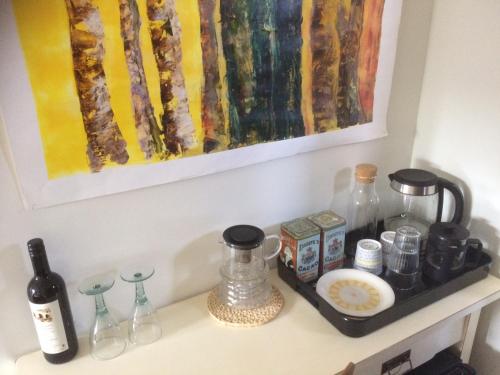



 See all


 See all


 See all


 See all


 See all


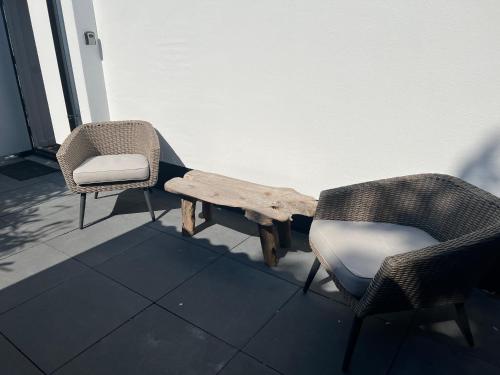
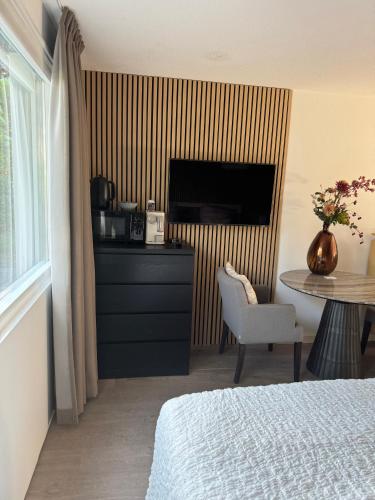

 See all


 See all


 See all


 See all


 See all

