Neighborhoods that set the scene for stays in Caracas
Caracas neighborhoods offer distinct personalities that shape how visitors experience the city. El Hatillo sits on the southeastern edge and is known for its colonial‑style streets, artisan markets, and a calmer rhythm that appeals to travelers seeking a quieter, more picturesque base. Las Mercedes contrasts with El Hatillo by serving as a lively hub for dining and nightlife; its concentration of restaurants and bars makes it a favorite for food‑minded visitors and those who prioritize evening social scenes. Chacao and Altamira occupy central, well‑connected positions that blend commercial activity with residential pockets: Chacao is frequently chosen by travelers who want efficient transit links and quick access to shops and local services, while Altamira presents tree‑lined avenues, plazas, and a mix of dining options that suit couples and families looking to stay in an accessible, pleasant neighborhood. Sabana Grande offers a bustling, urban atmosphere centered on pedestrian corridors and street markets, drawing budget travelers and those keen to be in the thick of city life.
Practical travel times and transit links matter when picking a neighborhood in Caracas. From El Hatillo, expect longer surface travel to central hubs compared with neighborhoods like Chacao or Altamira, though those distances can be offset by the neighborhood’s relaxed character. Chacao and Altamira are often within shorter taxi or transit rides to cultural sites such as theaters and museums, and Sabana Grande’s pedestrian avenues place shops and eateries within easy walking distance for many visitors. Safety perceptions differ across areas: residential parts of El Hatillo and sections of Altamira are commonly regarded as calmer, while certain stretches of Sabana Grande require more caution after dark; Chacao is frequently considered traveler‑oriented with active commercial policing in key corridors. When choosing where to base, match neighborhood character to itinerary priorities: opt for El Hatillo for relaxed sightseeing and artisan markets, Las Mercedes for evening dining and social life, Chacao or Altamira for central access and family‑friendly daytime options, and Sabana Grande for a budget‑conscious, street‑level urban experience.
Where to find boutique charm and independent stays
Caracas supports a selection of boutique and independently operated places to stay, particularly clustered near historic pockets and upscale neighborhoods. These properties often emphasize individually curated design, local architectural touches, and a sense of personality that larger properties may not replicate. Boutique options suit travelers who prize atmosphere and narrative in their lodging choice — for example, visitors who want to be steps away from cultural attractions or who appreciate properties that reflect local craftsmanship and decor. In neighborhoods like El Hatillo and sections of Altamira, boutique options are commonly found in converted period buildings or modernized townhouses, providing a quieter, characterful alternative to busier commercial corridors. When assessing boutique listings, focus on recent guest commentary covering accuracy of photos and host communication, and scan neighborhood notes for proximity to key attractions such as Teresa Carreño Theater or Plaza Bolívar to ensure the location aligns with planned sightseeing.
Evaluating boutique and independent stays requires attention to a few practical signals. Typical pricing for boutique properties can vary widely depending on location, scale, and the uniqueness of the space; listings often fall between midrange and premium bands for the city. Careful review reading provides insight into whether a boutique stay matches expectations — prioritize reviews that mention clarity in listing descriptions, check‑in reliability, and how accurately photos represent room layouts. Photos that show architectural details, street views, and interior design elements reveal a lot about the property’s character; look also for mentions of neighborhood ambiance to confirm whether the immediate area is lively, quiet, or suitable for families or nightlife. For travelers seeking independent stays with local flavor, prioritize properties that are centrally placed relative to desired cultural stops and that show a steady record of positive, recent guest feedback.
Budget friendly places for cost‑conscious travelers
Caracas offers a range of budget‑minded lodging choices concentrated in central and well‑traveled neighborhoods such as Sabana Grande and parts of Chacao. These options cater to travelers who prioritize low nightly rates and practical location over upscale finishes. Nightly rate bands in budget categories can vary seasonally and with demand, but budget stays typically provide straightforward, functional accommodations close to pedestrian corridors, transit hubs, and local markets. For cost‑conscious visitors, staying near Sabana Grande places dining, shopping, and evening street life within easy walking distance, which reduces reliance on transport and helps manage daily expenses. Chacao’s more central transport links can also offer value, since easier access to transit can cut time and costs when moving between sites.
Selecting a reliable low‑cost option demands a focus on safety and trust signals. Guest ratings and recent reviews are primary indicators of consistency — give weight to property descriptions that transparently outline location and access instructions, and to reviews that speak to the host’s responsiveness and the accuracy of the listing. Booking filters that limit results to verified guest ratings above a chosen threshold can reduce the risk of unpleasant surprises; additionally, looking for listings with multiple recent reviews helps confirm that the property performs steadily over time. When tradeoffs are expected, such as smaller room sizes or simpler interiors, ensure the neighborhood meets practical needs like proximity to grocery or transport links. For many travelers on a tight budget, the combination of a central, well‑lit neighborhood and a property with strong recent feedback forms the best balance between cost savings and a secure, convenient stay.
Serviced apartments and extended stay choices for longer visits
Longer visits to Caracas benefit from lodging that feels like a temporary home without surrendering convenience. Serviced apartments and dedicated long‑stay suites often appear in central neighborhoods such as Chacao and Altamira, where grocery stores, medical clinics, and transport links are readily accessible. For expatriates, families relocating temporarily, or remote workers on extended assignments, these options reduce daily friction: kitchens and living areas help manage food budgets and routines, and locations near supermarkets and pharmacies make settling in simpler. When evaluating monthly vs nightly pricing, note that many listings offer substantial discounts for consecutive nights; comparison across listings should weigh weekly or monthly price bands against the length of stay to identify genuine savings. Also factor in local utility expectations and whether the listing’s pricing includes basic charges commonly paid separately in the city.
Assessing reliability for extended bookings requires a focus on consistency signals in reviews and listing histories. Prioritize properties with multiple recent long‑stay reviews that mention stable management, predictable check‑in arrangements, and clear communication regarding longer‑term logistics like linen changes or mid‑stay cleaning. Neighborhood suitability is another critical consideration: quieter residential pockets in Altamira and Chacao often offer more tranquil weekdays for focused work or family life, while Las Mercedes provides livelier evenings for those who want a social scene nearby. Proximity to healthcare services and supermarkets is especially relevant for families or visitors with health needs — map nearby clinics and pharmacies before committing. For remote work, confirm steady internet access and ask hosts about typical connectivity patterns during local peak hours; many long‑stay travelers request recent speed or provider details to ensure acceptable performance for meetings and uploads.
Family friendly places and neighborhood resources for kids
Families visiting Caracas tend to prioritize neighborhoods that balance safety, green space access, and family‑oriented services. Altamira and parts of Chacao stand out for their tree‑lined avenues, plazas, and proximity to parks such as Parque del Este, where playgrounds and open lawns make daytime playdates stress‑free. Selecting a family‑friendly stay means looking beyond the room layout to the neighborhood’s walkability, availability of pediatric clinics, and nearby grocery stores stocked with child staples. Listings that clearly describe multi‑bed options, separate living spaces, and proximity to family services reduce the likelihood of last‑minute adjustments; cross‑check reviews for mentions of family stays to confirm how child‑friendly a property and its surroundings are in practice.
Practical safety and convenience tips help families get more from a Caracas stay. Look for neighborhoods with calm evening atmospheres and good street lighting for worry‑free outings after dinner; Altamira’s residential streets and Chacao’s accessible commercial corridors often meet these criteria. Consider distance to pediatric care and emergency clinics when choosing a base, and save local clinic contact details before arrival. For transportation with kids, estimate taxi or transit times to major attractions and plan around nap schedules to avoid long trips during peak traffic. When communicating with hosts or property managers, ask about child safety features in the unit and nearby child‑care options or babysitting services if needed. Finally, build a short list of nearby family‑friendly eateries and supermarkets upon booking to streamline mealtimes and keep days running smoothly.
Places to stay for business travelers and conference attendees
Business travelers and conference attendees often need a mix of efficient access to corporate districts and a calm environment to prepare for meetings. Neighborhoods near CCCT and major office corridors provide quick routes to business venues, while Chacao and Altamira offer reliable links to the city’s commercial heart. For conference attendees, proximity to event venues reduces transit variables and helps maintain punctuality; planning stays in areas with multiple transport options minimizes the impact of traffic variability on tight schedules. When filtering listings, prioritize properties that explicitly mention proximity to conference centers or major office areas and include clear estimates for typical transit times during weekday peak hours.
Booking considerations for professionals include flexible cancellation policies and straightforward check‑in processes that accommodate unpredictable schedules. Favor listings with documented host responsiveness in case arrival times change, and check recent reviews for comments about punctuality and check‑in clarity. Business travelers who need to work on site should evaluate neighborhood noise levels and daytime atmospheres — quieter residential streets in Altamira may be preferable for focused work, while locations closer to commercial hubs in Chacao afford easier access to shops and services during brief breaks. Also consider practicalities such as nearby dining options for client meals and brief walking distances to taxi stands or ride‑hail pickup spots to save time between meetings.
Where couples and solo travelers tend to stay
Couples and solo travelers each have distinct priorities when choosing a place to stay in Caracas, and neighborhoods reflect those differences. For couples looking for a relaxed, intimate vibe with scenic walks and artisanal shops, El Hatillo provides a quieter, picturesque backdrop ideal for romantic strolls and daytime cafe hopping. On the other hand, Las Mercedes attracts those who prefer lively evenings with a dense concentration of restaurants and social spots. Solo travelers often favor neighborhoods with good transit links and visible pedestrian activity — Chacao and Sabana Grande give easy access to cultural sites and public transport while offering a range of dining and social choices within walking distance.
Safety and atmosphere considerations matter more for solo travelers, who should prioritize listings with detailed host profiles and clear arrival instructions. Choosing well‑lit streets, neighborhoods with active daytime commerce, and properties with recent positive feedback from single travelers helps reduce uncertainty. Couples may focus on listings that emphasize privacy, quiet streets, and proximity to parks or scenic viewpoints for daytime outings. For both groups, study reviews for mentions of neighborhood mood after dark, typical foot traffic, and any seasonal events that might influence the area’s ambience during the intended stay. When communication with hosts feels smooth and listing descriptions are specific about location and access, both couples and solo travelers can better anticipate the neighborhood experience and align it with personal expectations.
Short term rental strategies for vacationers
Vacation rental apartments and short‑term homes are a popular choice for visitors who want space and the flexibility to craft their own daily rhythms. Effective strategies start with careful reading of location descriptions: look for explicit street names or landmarks rather than vague neighborhood labels, and verify estimated transit times to top attractions to avoid surprises. Typical nightly rate ranges vary by neighborhood and season; central neighborhoods command higher rates during peak periods, while stays in quieter districts like El Hatillo can be more economical off‑season. For realistic budgeting, compare nightly rates against multi‑night discounts and factor in any city‑specific fees or local charges that might not be immediately visible in headline pricing.
Seasonal events and local festivals can dramatically affect availability and pricing, so checking local calendars before booking helps avoid inflated rates. Use filters to narrow results to properties with recent verified reviews and emphasize listing accuracy—photos that include street views and interior shots from multiple angles are more trustworthy than single, heavily edited images. When weighing options, prioritize hosts with clear check‑in instructions and local contacts who can assist with last‑minute needs. Vacationers planning multiple day trips should pick a base with straightforward transit options or easy taxi access to minimize wasted travel time; homes close to grocery stores and casual dining scenes also simplify meal planning and keep days flexible.
Accessibility and special needs considerations when choosing a place to stay
Accessibility should be a core filter when searching for accommodations in Caracas, especially for travelers with mobility limitations or other specific needs. Many older buildings across the city’s historic and residential areas may feature stairs, uneven sidewalks, or narrow entryways, so scrutinizing property descriptions and recent guest feedback for mentions of lifts, step‑free entry, or accessible bathrooms is essential. When a listing lacks explicit accessibility details, direct communication with hosts to request measurements, photos of entry paths, or confirmation of elevator availability can prevent last‑minute issues. For family travelers with strollers or guests with temporary mobility challenges, understanding street conditions around the property and proximity to curb cuts or ramps is equally important.
Healthcare access and emergency service proximity is another critical element for travelers with special needs. Choose neighborhoods with nearby clinics or hospitals and save contact details for emergency services before arrival. For travelers requiring specific medical supplies or ongoing care, confirm the availability of nearby pharmacies and whether local transport options can reliably reach medical centers. Accessibility also extends to sensory and cognitive needs: ask about quiet hours, neighborhood noise profiles, and the presence of any potentially challenging environmental features such as busy streets or construction. Transparent communication with hosts regarding any reasonable accommodations and a careful review of recent guest comments describing accessibility experiences will help ensure the chosen place meets essential requirements.
Safety best practices tied to accommodation choice
Safety awareness is a top priority when choosing a place to stay in Caracas, and practical decision‑making starts with neighborhood selection. Residential pockets in Altamira and parts of Chacao are commonly viewed as calmer areas with steady daytime activity, while areas centered on busy pedestrian corridors like Sabana Grande can become more unpredictable after dark. Use recent guest reviews to understand how the neighborhood feels at different times of day, paying close attention to reports about street lighting, visible security presence in commercial districts, and local foot traffic patterns. Mapping nearby emergency services and the location of the closest police station or hospital provides added peace of mind and should be part of the pre‑arrival checklist.
Mitigating risk also involves planning logistics: select properties with clear arrival instructions and hosts who communicate promptly about pickup or drop‑off points. Prefer accommodations within short walking distance of reliable transport options or recognized taxi stands to reduce late‑night transit uncertainty. Keep valuables out of sight and use hotel‑style safes or locked luggage where available; for longer stays, consider storing important documents in a secure place. For visitors relying on ride‑hailing or local taxis, confirm common pickup spots in the listing area and ask hosts about typical fares to key destinations to avoid misunderstandings. Lastly, stay updated on local advisories through official channels and cross‑reference recent traveler reviews to ensure neighborhood conditions remain stable at the time of booking.
Transit oriented stays and metro friendly areas
Choosing a transit‑friendly neighborhood dramatically simplifies getting around Caracas, especially for travelers planning multiple day trips or frequent downtown visits. Areas near metro stations such as Bellas Artes and Chacaíto offer quick links to cultural attractions and reduce dependency on road travel during peak traffic hours. Staying close to these hubs benefits visitors who prefer predictable travel times and want to access a range of neighborhoods without long taxi rides. For those relying on public transit, review the proximity of a listing to station entrances and consider typical walk times and elevator access if mobility is a concern.
Transit considerations should also factor in typical first‑ and last‑mile connections. Some neighborhoods provide convenient access to buses and shared taxis at major junctions, while others rely more heavily on private transport options; match the listing location to the traveler’s preferred transport mode. For airport transfers, estimate journey times from transit hubs versus direct airport connections, especially during rush hours when road travel can take longer. When filtering options, choose properties that specify walking distances to stations or include maps showing transit routes, and cross‑check passenger reviews for comments on commute reliability during different times of day.
Stays close to culture and green spaces
Staying near Caracas’s cultural hubs and green spaces gives travelers instant access to the city’s best daytime rhythms—museums, theaters, and leafy parks are often within easy reach when basing in certain neighborhoods. Areas bordering Parque del Este and the Botanical Garden are attractive for those who want morning walks, birdwatching, or a relaxed spot for reading and picnics. These neighborhoods tend to offer a quieter daytime cadence compared with central shopping corridors, and they appeal to visitors who prefer to balance museum visits and urban wandering with outdoor time. When choosing a place to stay near cultural venues like the Teresa Carreño Theater or the National Art Gallery, prioritize listings that note short walking distances or simple taxi rides to the venues; clear directions and realistic travel times in listing descriptions reduce the risk of overestimating how close a property really is.
Beyond proximity, consider how neighborhood ambience differs around cultural and park zones. Streets adjacent to major parks usually feature wider sidewalks and more green views from windows, which can improve the experience of slow mornings and afternoon strolls; conversely, properties closer to theater districts may see higher evening foot traffic on show nights. For photographers and art-loving travelers, mornings near Parque del Este provide soft light and fewer crowds for capturing candid city moments, while evenings near performance venues offer the energy of pre-show crowds and street life. Practical tips include checking event calendars for special exhibitions or performances that could affect local traffic and availability, and reading recent guest reviews that mention noise levels on event nights. Selecting a base that aligns with preferred cultural and green-space access ensures easy transitions between indoor cultural discovery and outdoor relaxation.
Dining scene proximity and food neighborhood matchups
Caracas’s neighborhoods each bring a distinct culinary personality; matching lodging to the desired food scene helps shape evenings and simplifies dining choices. Las Mercedes is known for concentrated restaurant corridors where many options are clustered within a short walk, making it ideal for travelers who want variety and late dining choices without long rides. Altamira blends casual and more refined dining across tree‑lined avenues, suiting guests who enjoy a mix of relaxed cafés and more formal dinner options within short distances. Sabana Grande offers a street‑level experience with kiosks, small eateries, and market stalls that make spontaneous sampling of local flavors easy and budget‑friendly. When scanning listings, look for neighborhood notes that reference nearby dining streets or markets—knowing whether a property is a short walk from key restaurant clusters helps plan nights out and reduces the need to navigate unfamiliar taxi rides after dark.
Practical strategies for food‑minded travelers include mapping breakfast, lunch, and dinner options within a 10–20 minute walk of a prospective stay; this reveals whether a neighborhood’s food scene matches expectations for spontaneity versus planned reservations. Consider how late restaurants typically stay open in the chosen area, as neighborhoods with an active nightlife will have more late‑night choices but may also be busier after hours. Read guest reviews for recent mentions of nearby eateries and market quality—comments that describe consistent street food quality, friendly stall vendors, or reliable sit‑down restaurants indicate stable dining experiences. For travelers with dietary needs, proximity to markets and grocery stores also makes it simple to source specific ingredients or snacks between meals. Choosing a place to stay aligned with the preferred dining personality—clustered restaurant hubs, relaxed avenues, or lively market streets—keeps evenings effortless and ensures easy access to the flavors that matter most.
Shopping and market access linked to your stay
Access to markets and shopping areas shapes daily convenience, whether restocking essentials or seeking local crafts and souvenirs. Neighborhoods near Mercado de Chacao and the commercial corridors of Sabana Grande provide easy access to fresh produce, small specialty shops, and lively vendor scenes. For visitors who prefer larger retail centers, neighborhoods with straightforward transit links to Sambil Caracas or major shopping complexes will reduce transit times and offer a broader range of brands and services. When choosing a property, prioritize clear statements about walking distances to markets or map pins that show proximity to the nearest shopping hubs; real street‑level context in listings helps prevent arriving to find a longer-than‑expected trek to basic supplies.
Timing and market rhythms matter too—local markets often have earlier peak hours for fresh goods and slower afternoons. Travelers staying near weekday markets can enjoy morning visits without crowds, while weekend market areas may be livelier and better suited for afternoon exploration. Read guest reviews for comments on vendor reliability, safety in market areas after hours, and typical street congestion; these real‑world snippets reveal whether a neighborhood’s market scene is friendly to quick shopping runs or better for leisurely browsing. For those who like hands‑on food preparation, proximity to well‑stocked food markets simplifies meal planning, while craft markets near cultural districts are ideal for picking up locally made souvenirs. Match lodging to the preferred shopping rhythm to keep daily logistics smooth and make the most of Caracas’s diverse market offerings.
When to visit and how seasonality shapes accommodation demand
Timing a trip to Caracas affects availability, prices, and neighborhood energy. Certain local holidays, cultural festivals, and school vacation periods attract domestic travel and can push nightly rates up in popular neighborhoods; conversely, quieter months outside peak festival windows often deliver more flexible options and lower prices. When planning, check cultural calendars for performance seasons at theaters, city festivals, and public holidays that may lead to swift sellouts in areas near event venues. Booking windows should reflect these patterns: secure stays well in advance for festival periods or weekend events, while off‑peak travelers can take advantage of last‑minute availability and potential discounts.
Weather patterns also influence how neighborhoods feel at different times of year—park‑adjacent areas are most enjoyable during drier months when outdoor spaces are at their best, while rainy seasons make transit times slower and could shift preferences toward neighborhoods with closer access to covered attractions. Read recent guest reviews for notes on seasonal conditions, such as peak season crowding or changes in neighborhood activity during holidays. For visitors flexible on timing, consider shoulder seasons that balance pleasant weather with lower accommodation demand; this often yields better room choices in preferred neighborhoods and more weekday calm. Ultimately, aligning travel dates with both event schedules and seasonal rhythms helps secure the best accommodations for the desired pace and neighborhood atmosphere.
Typical price bands and how to interpret nightly rates
Understanding price bands across Caracas neighborhoods helps set realistic expectations and streamline searches. Central and nightlife‑oriented neighborhoods like Las Mercedes and Sabana Grande typically command higher rates on nights with strong dining and entertainment demand, while quieter residential areas such as El Hatillo and certain parts of Altamira can offer more competitive nightly prices off peak. Short‑term rental apartments vary widely: smaller studios and guesthouse rooms often sit in lower to mid price bands, whereas large, well‑located apartments or curated independent stays may command premium nightly rates. When comparing listings, look beyond headline prices to examine length‑of‑stay discounts, cleaning fees, and any local charges; a nightly rate that appears low can be offset by mandatory fees or short minimum‑stay rules.
Rate interpretation benefits from cross‑checking the timing of listed prices with local events and recent review volumes—sharp price spikes often correlate with nearby festivals or holidays. Use filters to compare properties across the same neighborhood and similar room types to identify outliers that are either great value or potentially mispriced. Consider the tradeoff between price and convenience: a slightly higher nightly rate in a transit‑friendly neighborhood can save time and taxi costs over several days. Finally, prioritize listings with transparent pricing and clear refund or cancellation terms; a modest premium for flexible bookings can be worthwhile if travel dates are uncertain or if local events are known to cause last‑minute changes in plans.
Booking flexibility and cancellation tips for Caracas stays
Booking flexibility is a practical priority for many travelers to Caracas due to evolving schedules and local event calendars. Listings that clearly state cancellation windows and refund policies reduce stress when plans change; examine whether a listing offers free cancellation within a certain timeframe and whether partial refunds apply for shorter notice changes. When comparing properties, filter results by refundable options if dates remain tentative—this small filter step can preserve options without locking funds into nonrefundable stays. Also check host or property policies for last‑minute changes to arrival times or early departures, as responsive communication often compensates for stricter formal policies.
For travelers seeking reassurance, favor stays with clear, documented arrival procedures and local contacts that can confirm special arrangements if flights are delayed. When making reservations during peak seasons, consider refundable rates even at a slightly higher cost to avoid losing money if dates shift. Read recent guest reviews for mentions of hosts honoring cancellations or assisting with rebooking—these real experiences indicate how policies play out in practice. Finally, keep records of booking confirmations and any direct messages with hosts, and review platform dispute procedures in case assistance is needed. A measured approach to booking flexibility can protect budgets and reduce stress when travel plans evolve.
Connectivity and mobile internet considerations for choosing a place to stay
Reliable internet and mobile coverage are high‑priority considerations for remote workers, families keeping in touch, and travelers who rely on digital maps and ride‑hailing. Coverage and speeds vary across Caracas neighborhoods and building types; central commercial districts and newer residential complexes often have more consistent service, while some older buildings in historic neighborhoods may present variable connectivity. When connecting with hosts, request recent information about average upload/download speeds and typical reliability during daytime work hours—practical details like primary providers and whether backups are available give a clearer sense of what to expect. Many listings also mention internet type (fiber, ADSL, mobile hotspot), and those specifics help evaluate suitability for video calls or large file transfers.
For travelers dependent on mobile data, verify local SIM availability and whether the nearest convenience stores or mobile provider branches are close by. Short‑stay visitors sometimes rely on prepaid SIM cards; neighborhoods with accessible dealers or kiosks make this process smoother on arrival. When internet reliability is crucial, prioritize listings with multiple recent reviews that reference stable connectivity, and ask about peak‑hour performance if planning high‑bandwidth activities. Having a communication contingency—such as a local SIM or confirmed nearby coworking cafes—provides practical insurance for work or urgent communications. Confirming connectivity upfront prevents surprises and supports uninterrupted productivity while exploring Caracas.
Practical arrival planning and airport transfer options
Arrival logistics shape the first impression of a trip, so choosing a place to stay with clear airport transfer guidance eases initial navigation from Simón Bolívar/Caracas airport. Transfer times depend on traffic and destination neighborhood; central areas like Chacao and Altamira tend to be reached via a straightforward road route, but peak congestion can extend travel time considerably. Many listings include estimated transfer times or recommend common pickup points—these details help plan whether to arrive with energy for city exploration or to allow time for recovery. For first‑time arrivals, pick properties that provide explicit directions from the main airport arrival points and suggest commonly used transport options so confusion at the terminal is minimized.
Consider cost and timing tradeoffs: public buses, airport shuttles, and private transfers each present different balances of price, comfort, and predictability. When booking, confirm whether host or local contacts meet guests at defined pickup spots, and save directions and a local contact number for the host or property management in case flight changes occur. Read recent guest reviews for comments on transfer clarity and any arrival hiccups—these practical anecdotes reveal whether written directions translate well in real conditions. Preparing arrival logistics in advance and selecting a stay that communicates clearly about transfers reduces stress and gets the trip off to a smooth start.
Neighborhood walkability and getting around on short trips
Walkability transforms short stays by turning neighborhoods into daily micro‑adventures; areas with compact grids and pedestrian corridors let visitors explore markets, cafés, and cultural spots without relying on vehicles. Sabana Grande is a walking‑friendly choice for visitors who enjoy vibrant street life and short daytime trips, while Altamira’s tree‑lined avenues offer pleasant strolls between parks and eateries. Chacao presents a balance of pedestrian corridors and commercial amenities that make short errands and casual sight‑seeing efficient. When selecting a property for walkability, consult maps for sidewalk continuity, crosswalk frequency, and the presence of pedestrianized zones—detailed listing descriptions that mention nearby walking routes or block‑level direction pointers indicate greater walkability.
Short‑trip planning also benefits from understanding typical walking times between lodging and nearby attractions; listings that provide time estimates to major points of interest are especially helpful. For those prioritizing foot travel, prioritize neighborhoods where transit hubs, dining streets, and minor attractions cluster, minimizing time spent in taxis. Also read guest reviews for comments about sidewalk conditions after rain, evening lighting for safe walks, and typical foot traffic during weekends. Selecting a walkable base enhances the leisure of short stays and makes it easy to discover the city at a human pace without frequent reliance on road transport.
Health, safety gear, and emergency services near accommodations
Knowing where clinics, hospitals, and pharmacies are located relative to the chosen place to stay provides practical reassurance, particularly for families or travelers with medical needs. Neighborhoods like Chacao and Altamira typically have more readily accessible medical services and pharmacies within short taxi or walking distances, which is an important factor when selecting a base for longer stays or family trips. Before finalizing a booking, map the nearest emergency clinic and general hospital to the property location and save local emergency contact numbers in case quick assistance is needed. Listings that mention nearby medical facilities or provide neighborhood maps with key service icons make it easier to verify proximity.
Beyond facilities, assemble a small health-and-safety checklist that includes basic first‑aid supplies, any prescription medication plans, and a local pharmacy’s address and hours. Ask hosts proactively about nearby 24‑hour clinics and ambulance response norms if any health concerns exist. For travelers engaging in outdoor activities, such as visits to El Ávila, factor in transit times to emergency services from likely departure points. Verifying practical medical and safety arrangements before arrival reduces stress during the trip and ensures that health needs can be met promptly if they arise.
Local customs, etiquette and house rules to keep in mind when staying
Familiarity with everyday customs and expected house rules smooths social interactions and helps avoid misunderstandings when staying in Caracas. Respect for quieter evening hours in residential neighborhoods is commonly appreciated; many local residents value lower noise levels after nighttime, so being mindful of loud gatherings or late‑night hallway traffic is courteous. Tipping customs for dining and personal services vary—small gestures of local currency in cafés and for helpful local services are typical, and checking recent local guidance on tipping amounts ensures fair practice. Listings that clearly state house rules, quiet hours, and neighborhood expectations make it easier to blend into local life without friction.
When communicating with property hosts, polite language and clear arrival logistics go a long way; concise messages confirming arrival time and any special needs tend to be well received. Hosts often appreciate guests who follow recycling or trash‑disposal instructions and who treat shared spaces respectfully. For those staying in family neighborhoods, being sensitive to children’s sleep schedules and communal living norms prevents unintentional disturbances. Learning a few polite Spanish phrases for greetings and thanks also helps create warm exchanges with neighbors and local shopkeepers. Observing local etiquette and house rules fosters pleasant stays and respectful interactions with hosts and neighbors.
Pet friendly stays and traveling with animals in Caracas
Traveling with pets requires extra planning around neighborhood suitability, open spaces, and local pet services. Neighborhoods with nearby parks, such as areas close to Parque del Este or tree‑lined residential sectors, provide convenient routes for pet walks and outdoor time. When searching for pet‑friendly listings, review property notes carefully for any restrictions on animal size or breed and ask hosts about nearby green spaces for regular exercise. Also check for local veterinary clinics and pet supply stores in the neighborhood—proximity to these services is essential in case of urgent needs or for sourcing food and supplies during a stay.
Practical pet travel tips include confirming any additional cleaning fees or deposit requirements in advance and ensuring transport options accommodate animals for arrival and local outings. If planning day trips without the pet, research local pet‑sitting or boarding options nearby. Read recent guest reviews from other travelers who stayed with pets—these firsthand accounts often highlight leash‑friendly routes, noise considerations, and whether the neighborhood is pet tolerant. With the right advance checks on rules and local services, traveling to Caracas with a pet can be manageable and enjoyable for both animal and owner.
Sustainable and eco conscious accommodation options
Eco‑minded travelers can find accommodation options in Caracas that emphasize lower environmental impact and a greener neighborhood presence. Such listings often highlight features like energy‑saving lighting, recycling practices, local sourcing of consumables, or proximity to parks and public transit to reduce reliance on private vehicles. Neighborhoods bordering green spaces and with walkable amenities naturally support more sustainable daily patterns—staying near parks or transit hubs helps minimize carbon footprint while making it easy to explore on foot or by public transport. When searching, look for property descriptions and guest reviews that explicitly mention environmental practices or neighborhood initiatives promoting greener living.
Evaluating sustainability claims requires scrutiny: prioritize recent reviews that corroborate eco‑friendly practices and ask hosts specific questions about waste separation, water conservation measures, or whether local services support lower impact travel. Selecting places with easy access to markets and public transit reduces the need for multiple taxi trips and supports more sustainable exploration of the city. For travelers committed to leaving a smaller footprint, choosing a neighborhood with green spaces, good walkability, and nearby transit options forms the backbone of an eco‑conscious stay in Caracas.
Photography friendly viewpoints and stays with skyline access
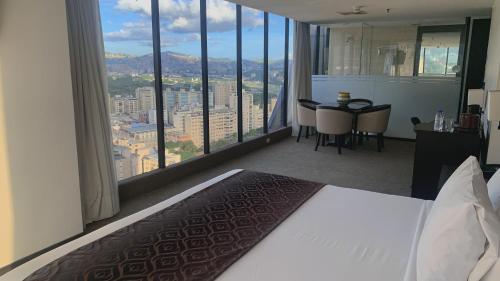
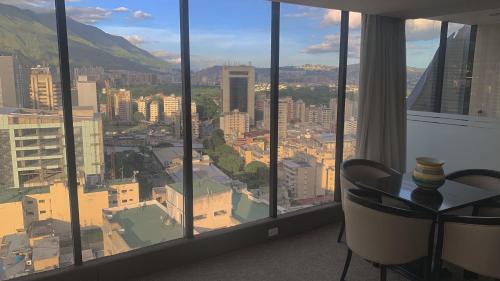
Caracas offers a variety of vantage points for capturing memorable cityscapes and sunrise or sunset light—selecting lodging near these viewpoints simplifies early‑morning outings or golden‑hour shoots. Neighborhoods at the city’s edge near El Ávila and higher‑elevation neighborhoods provide sweeping outlooks over the urban basin, while parks like Parque del Este offer natural frames for skyline silhouettes. When scouting stays, check whether listings include balcony or window views facing prominent city scenes; photos that honestly represent sightlines offer realistic expectations for photography opportunities. For travelers prioritizing sunrises or sunsets, consider eastern or western vistas respectively and plan stays accordingly to maximize favorable lighting.
Practical photography tips include verifying safe walking routes to the closest viewpoints, expected crowd patterns at different times of day, and whether early mornings are quiet enough for unobstructed shooting. Read guest reviews for mentions of nearby lookout spots and whether hosts can recommend safe, photogenic routes. Combining a stay with easy access to both elevated overlooks and parkside perspectives gives photographers a flexible set of options for capturing Caracas’s diverse urban landscapes across times of day.
Common booking pain points and how to avoid them
Frequent traveler frustrations when booking in Caracas include unclear location descriptions, unexpected transit times, and language friction—each avoidable with a focused pre‑booking checklist. First, verify exact street names or landmarks rather than relying solely on neighborhood labels; vague descriptions often mask longer-than‑expected walks to main sights. Second, cross‑check estimated travel times in listings against map tools during typical rush hours to assess realistic commute times. Third, read recent guest reviews for repeated mentions of communication or arrival issues—consistent patterns in feedback often reveal systemic problems that a single review may not highlight.
Mitigation strategies include preferring listings with multiple recent reviews, clear arrival instructions, and local contact numbers for quick on‑the‑ground help. Use Agoda’s filters to narrow to highly rated properties and refundable bookings if flexibility is needed. Prepare a short list of specific questions to ask hosts before booking—exact entry steps, nearest landmark, and taxi pickup suggestions—and retain copies of all confirmations and messages. These straightforward checks reduce common pain points and lead to smoother arrivals and more enjoyable stays.
Nearby day trip bases and where to stay for excursions outside the city
Choosing a base for day trips expands possibilities beyond Caracas and helps tailor day plans to natural or coastal destinations. Neighborhoods with good road access to La Guaira and the coastal highway make same‑day trips to nearby beaches more convenient, while stays nearer to park trailheads and public transport links provide faster access to El Ávila National Park for hiking and nature outings. Altamira and Chacao are practical staging points for many excursions because of their centrality and varied transport options; property listings that describe easy routes to common day‑trip start points make planning simpler and reduce time spent in transit.
For active day‑trip itineraries, prioritize stays that outline reliable transport connections or suggest local shuttle services to trailheads and coastal routes. Early departures for hikes or coastbound trips benefit from properties with clear guidance about common pickup points for drivers or taxis. Read guest reviews for descriptions of taxi fares and travel times to day‑trip departure points—firsthand accounts often reveal realistic commute expectations. With careful selection of a neighborhood that balances local charm and outbound access, day trips from Caracas become uncomplicated highlights of a longer itinerary.
How traveler reviews and ratings reveal the real story of a place to stay
Guest reviews are a primary tool for deciphering the lived experience of a property and its neighborhood; the best practice is to read recent, detailed comments that touch on location accuracy, host communication, and day‑to‑day neighborhood vibe. Repeated mentions of a host’s punctuality or the clarity of arrival instructions provide confidence that logistics will be smooth, while multiple notes about street noise, safety after dark, or unreliable transit paint a fuller picture of potential tradeoffs. Pay attention to review recency and distribution—if a property has many older positive reviews but recent negative ones, that can signal a change in management or neighborhood conditions.
To weigh reviews effectively, prioritize balanced reports that offer specific examples over vague praise or critique. Cross‑reference comments about neighborhood specifics—such as walking times to a market or visibility of a landmark—with map data and other listings in the area to confirm consistency. Filtering reviews by traveler type (families, solo travelers, business guests) may reveal how well a property serves different needs. Overall, reviews and ratings form a narrative that complements listing details and help identify dependable stays that align with actual traveler experiences.
Language tips and communication cues for English speakers booking stays
Basic Spanish phrases and clear communication strategies make booking and arrival smoother when English is not the primary language among hosts. Simple phrases for greetings, arrival time confirmation, and directions go a long way: polite salutations and brief, specific messages reduce the likelihood of misunderstandings. When sending pre‑arrival messages, provide flight numbers, expected arrival time, and ask for photos or landmarks near the property—concise and concrete requests are easiest to answer even if language ability is limited. Many hosts respond well to short, direct messages in Spanish or English; translation apps are useful, but framing questions simply minimizes translation errors.
For confirmations and last‑mile logistics, request a local contact number or messaging app ID commonly used in Venezuela and confirm pickup points or building entry codes in writing. If uncertain about a detail in a listing, ask for a short photo of the property frontage or the common area to help identify the correct building on arrival. Using respectful language and confirming key details in advance reduces friction and helps ensure a warm welcome, even when language barriers exist.
Agoda features and filters to find the perfect Caracas stay
Agoda’s search tools streamline finding accommodations that match neighborhood and traveler priorities. Use neighborhood filters to focus on El Hatillo, Las Mercedes, Chacao, Altamira, or Sabana Grande depending on preferred atmosphere, and apply guest rating thresholds to surface consistently well‑reviewed options. Price‑range sliders help identify properties within a desired nightly band, while filters for booking flexibility and recent guest reviews reduce the risk of last‑minute surprises. Map views and distance indicators are especially helpful for judging walkability and proximity to key landmarks; combine these with review filters to ensure listings that claim central locations genuinely deliver.
Additional helpful features include sorting by “reviews” or “distance to city center” when transit convenience is a priority, and using the booking platform’s messaging tools to confirm arrival details with hosts before committing. For longer stays, look for options that display weekly or monthly pricing clearly, and use the platform’s cancellation filters to select refundable rates when plans remain uncertain. Leveraging Agoda’s features with a neighborhood‑first mindset streamlines searches and helps secure a stay that meets both logistical needs and personal preferences.
Checklist for finalizing a booking in Caracas
Before confirming a reservation, run through a concise pre‑booking checklist to reduce surprises: verify exact street address or nearby landmark, confirm typical transit times to main interests, and map the nearest emergency clinic or pharmacy. Check review recency and focus on comments that reference neighborhood safety and host communication. Confirm cancellation and refund terms, ask the host for precise arrival instructions and a local contact number, and verify any additional fees or minimum‑stay rules. Finally, ensure connectivity expectations are met by asking about internet reliability if needed for work or communication.
Completing these verification steps takes a little time but yields peace of mind: clear directions, realistic travel times, and confirmed host responsiveness are the three most valuable outcomes. With those details in hand, booking a place to stay in Caracas becomes a straightforward task that sets the stage for an enjoyable, well‑planned visit.


 See all


 See all



 See all


 See all


 See all




 See all


 See all


 See all


 See all


 See all

