Why self catering apartments in Caracas make smart travel sense
Self-catering apartments in Caracas offer practical advantages that appeal to a range of travelers who prefer autonomy and local immersion. For budget-conscious visitors, cooking at a rental trims food costs substantially compared with dining out for every meal; buying staples from neighborhood supermarkets or markets like Mercado de Quinta Crespo stretches travel budgets and makes longer stays affordable. Families appreciate the extra space and privacy that apartment layouts provide—multiple bedrooms, a living area and a dining spot mean mealtimes and bedtimes can follow familiar routines rather than restaurant schedules. For business travelers and digital nomads, the ability to prepare food on demand and set working hours without interruptions is a clear perk: a steady supply of coffee or snacks, plus the comfort of a private space to concentrate, often matters more than short-term hotel conveniences.
Self-catering also gives visitors more control over daily rhythms and cultural engagement. Staying in residential neighborhoods exposes travelers to local markets, bakeries and neighborhood grocery stores where fresh produce, local cheeses and Venezuelan staples can be discovered. This kind of hands-on food shopping can become a highlight of the trip: selecting ingredients at small shops, testing regional fruits, and practicing basic Spanish phrases with vendors. For longer relocations or transitional stays—such as families moving temporarily, professionals on multi-week assignments, or travelers needing longer recovery windows—serviced apartments and vacation rentals with kitchen facilities reduce the need for repeated restaurant coordination and provide a steadier sense of home. Agoda’s filters for kitchen-equipped listings and long-stay options simplify finding units that match these practical preferences, letting travelers prioritize essentials like full kitchens, kitchenette setups or minimum-stay discounts without sifting through irrelevant listings.
Spotlight on kitchen-equipped units and kitchenette amenities checklist
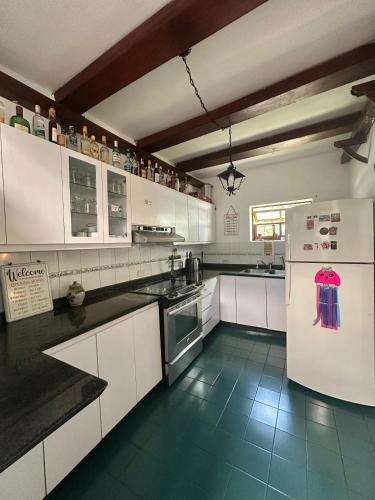
Kitchen-equipped apartments in Caracas show wide variation in scope and outfitting, from compact kitchenettes with a hot plate and mini-fridge to full kitchens with multiple burners, ovens and more comprehensive storage. Many short-term rentals aim for a comfortable middle ground: a two-burner stove or hot plate, refrigerator, microwave, basic cookware and a set of plates, cutlery and mugs. Some units will include small appliances such as an electric kettle, coffee maker or blender; others leave those items out, expecting guests to request them or bring compact versions. Understanding these variations helps set expectations: urban apartments often optimize space and may trade full-size appliances for compact, efficient options that still permit most home-cooking tasks.
A practical kitchenette checklist helps ensure travelers are ready to cook without surprises. Essentials to look for or ask hosts about include a functioning stove or hot plate, refrigerator with freezer compartment, microwave, a basic set of pots and pans, a cutting board and a couple of good knives, plates and bowls for the listed occupancy, glasses and mugs, forks/knives/spoons for each guest, basic cooking utensils (spatula, ladle, tongs), a colander, and food storage containers. Small but useful additions are an electric kettle or coffee maker, dish soap, cleaning cloths, garbage bags and paper towels. Guests should also confirm whether cooking oil, salt, pepper and basic condiments are left behind; many properties do not supply these staples. When specific tools are missing—an oven, measuring cups, or a high-quality chef’s knife—packing compact, travel-friendly equivalents can be a simple solution. Before booking, reviewing photos closely and messaging hosts via Agoda to verify exact items can prevent last-minute disappointments and ensure a smooth self-catering experience.
Neighborhood matchmaker finding the right Caracas area for self-catering
Choosing a neighborhood in Caracas for a self-catering stay hinges on the traveler’s priorities: quiet residential life, cultural character, shopping convenience or nightlife access. Neighborhoods with a primarily residential feel tend to offer calmer streets, local groceries and small bakeries—attributes particularly suitable for families or travelers planning longer stays who want daily rhythm and predictability. Areas favored by visitors seeking artisan markets and a village-like atmosphere combine scenic streets and weekend markets that make sourcing specialty ingredients enjoyable. Conversely, neighborhoods known for dining and supermarkets offer easy supermarket runs and a broader variety of imported goods, which can be indispensable for travelers with specific dietary needs or those seeking international pantry items.
Rental types and accessibility differ across districts: centrally located zones generally provide better access to public transport, making it simpler to reach metro stations, bus corridors and main sights while still returning to a kitchen-equipped base each evening. Some districts skew toward serviced apartments and purpose-built rental blocks that list conveniences tailored for medium-term stays; others feature traditional apartments in residential buildings where outfitting varies by owner. For guests who prefer a lively street scene with coffee shops and small groceries within walking distance, picking a neighborhood that balances safety and walkability is key. Each neighborhood’s character determines where to shop, when markets operate, and how straightforward grocery runs will be—so aligning property location with daily habits (morning market strolls, evening home-cooked dinners, or quick supermarket restocks) makes a self-catering stay more comfortable and locally rewarding.
Grocery hunting near rentals from supermarkets to Mercado de Quinta Crespo
Grocery options around rental areas in Caracas span large supermarkets with broader imported selections to smaller independent grocers that excel at local produce and everyday staples. Large stores and hypermarkets can be convenient for stocking up on bulk items, packaged goods and familiar international brands; these stores tend to be located in or near commercial districts and are especially helpful for travelers planning extended stays who want the convenience of one-stop shopping. Independent grocers, neighborhood bodegas and fruit stands, meanwhile, are perfect for daily fresh purchases—fruits, vegetables, fresh bread and local cheeses—and often offer lower prices on seasonal items. Market days and smaller local vendors provide an accessible avenue to sample Venezuelan ingredients commonly used in home cooking, which can elevate meals prepared in a self-catering apartment.
For an authentic market experience, Mercado de Quinta Crespo is a well-known option where fresh produce, herbs, spices and street-food snacks come together in a lively atmosphere suitable for shoppers seeking local ingredients. Visiting such markets can be an engaging part of the self-catering routine—picking up produce, chatting with vendors, and choosing ingredients for a regional dish. Practical tips for grocery runs include checking operating hours (markets may open early and close midday or reopen later), carrying reusable bags for purchases, and planning shopping times outside peak market hours for easier browsing. For those unfamiliar with Argentine or Venezuelan produce names, preparing a short list of needed items and a few Spanish phrases can streamline purchases. Combining supermarket bulk buys with market-fresh ingredients creates both economical and culturally rich self-catered meals.
Local food delivery and takeout services useful for self-caterers
Caracas’s food delivery scene blends traditional phone orders with growing app-based options, giving self-caterers flexibility when a night off from cooking is appealing. In many neighborhoods, local restaurants and bakeries will accept direct calls for takeout, which can be a fast and affordable way to sample regional dishes without leaving the apartment; menus often include arepas, empanadas, parrilla snacks and rotisserie chicken—handy comforts for evenings when groceries run short. Third-party delivery platforms operate in parts of the city and tend to concentrate service in busier commercial areas and districts popular with visitors, like Las Mercedes and parts of central Caracas. These platforms make comparing menus, reading recent user ratings and tracking estimated arrival times straightforward, though availability can vary by neighborhood and time of day.
For self-caterers, an effective strategy is to combine occasional deliveries with home-cooked meals: use delivery for convenient breakfasts or evening treats, and rely on the kitchenette for full meals. When using local delivery or takeout, checking recent guest reviews on Agoda for remarks about delivery accessibility from a specific rental can save hassle—comments may mention building access constraints, elevator wait times or doorman procedures that affect handoffs. For more remote or residential areas, pre-ordering larger takeout portions and reheating offers a simple solution for late-night hunger without depending on fast real-time delivery. Finally, double-check payment options: many venues accept cash, and card or app payments are common in urban restaurants, but confirming methods before ordering prevents surprises at the door.
Long-stay and short-term rental options explained for different trip lengths
Choosing between short-term and long-stay self-catering rentals in Caracas comes down to duration, desired routines, and how much of a home-like setup is needed. Short-term rentals—ideal for weekend getaways or weeklong urban explorations—often focus on efficient layouts and essential kitchenette gear, delivering convenience and quick turnover between guests. These units can be found in central neighborhoods close to transport and dining options, which is useful for visitors prioritizing sightseeing and easy access. Long-stay options, by contrast, are tailored for multi-week or monthly occupancy and tend to offer more comprehensive kitchen setups, extra storage, and living space that supports a settled rhythm: groceries can be bought in bulk, laundry routines established, and local shopping habits developed. Serviced apartment-style listings or purpose-built rental blocks frequently cater to longer stays with flexible billing options and occasional housekeeping add-ons.
Booking mechanics differ too. Many hosts and property managers list discounts for weekly or monthly bookings, so searching Agoda’s long-stay filters can reveal price breaks and minimum-stay requirements that favor extended visits. For stays longer than a month, clarifying utility billing, internet stability and any maintenance procedures in advance is practical; some long-stay arrangements include periodic cleaning or linen service, while others expect guests to be fully self-sufficient. Short-term guests should verify arrival logistics like check-in windows and key collection—details that influence the convenience of brief stays. Regardless of length, reading recent reviews for the specific rental type—short-stay cleanliness and accuracy versus long-stay responsiveness to maintenance—helps align expectations with reality and ensures the chosen unit supports the intended travel rhythm.
Booking smart on Agoda for self-catering stays in Caracas
Agoda’s platform offers tools that simplify the search for self-catering units in Caracas, enabling travelers to zero in on kitchen-equipped homes and long-stay-friendly listings without excessive browsing. Useful filters include tags for kitchen facilities, number of bedrooms, and minimum-stay options; combined with map-based search, these help match properties to neighborhood preferences—whether a central base near metro stops or a quieter residential block. Beyond filters, listing photos and amenity lists are essential: look for explicit mentions of stovetop types, refrigeration capacity and whether cookware is included. Agoda’s review snippets often contain practical guest comments—insights about cookware completeness, wifi stability or neighborhood convenience—that reveal whether a property truly fits self-catering needs.
To improve booking confidence, prioritize listings with multiple, clear photos of the kitchen and dining area, and pay attention to the host’s response rate and cancellation terms. Flexible booking policies can be valuable if travel plans change, while clear check-in instructions prevent arrival-day stress. When uncertain about specifics—appliance models, kitchen utensils, or access logistics—use Agoda’s messaging feature to ask targeted questions and request recent photos or clarification. Finally, leverage price alerts and seasonal trends: off-peak timing often yields better rates on longer stays, while reading recent guest reviews ensures that any advertised amenities actually function in practice.
Evaluating photos and virtual tours to confirm amenities before booking
Photos and virtual tours are the best pre-arrival evidence of what a self-catering rental truly offers, so learning to read images critically pays off. Start by looking for multiple photos showing different angles of the kitchen: an image of a full countertop with a visible stove, fridge and storage suggests a more usable space than a single, tight photo that hides details. Spot visible cookware, plates and utensils; the presence of a dining table and chairs indicates a space suitable for regular meal times. Virtual tours and 360-degree images offer an even clearer sense of scale—use them to judge whether the kitchen layout accommodates multiple cooks, whether there is adequate counter space for food prep, and if there’s sensible flow between storage, cooking and dining areas.
When photos leave uncertainty, ask hosts specific questions through Agoda: confirm stove type (electric burners, gas or hot plate), refrigerator size, oven availability, and which small appliances (kettle, microwave, blender) are included. Request photos of the pantry or cupboards to check for storage and dishware. For remote workers, seek images of the workspace and nearby power outlets. If a listing lacks recent images or virtual tours, treat it as higher risk—recent reviews can compensate, but direct confirmation from the host is the safest route to avoid surprises on arrival.
Guest reviews and rating signals that reveal true amenity quality
Guest reviews are a practical window into how well a rental supports self-catering needs. Look for comments mentioning specific items: “full set of pans,” “fast wifi,” or “kitchenware missing” provide concrete clues about amenity quality. Repeated praise for cleanliness and well-equipped kitchens usually indicates consistent host standards, whereas recurring complaints about missing utensils, poor refrigeration, or unreliable internet suggest systemic issues. Pay special attention to recent reviews; they reflect current conditions better than older feedback and can reveal whether hosts have addressed prior problems.
Beyond explicit mentions, read between the lines for operational details: guests who note smooth check-in and clear handover instructions signal reliable communication, which matters for receiving grocery deliveries or coordinating late arrivals. References to power interruptions, spoiled food or frequent outages can be red flags for self-caterers relying on perishable storage. Finally, compare ratings across similar listings in the same neighborhood to benchmark expectations—if most rentals in an area receive praise for nearby markets but one listing is singled out for poor kitchen supplies, that listing may require more scrutiny before booking.
Family-friendly self-catering units and features families value
Families value self-catering rentals that simplify daily life and replicate home comforts, so look for apartments with multiple sleeping areas, a comfortable dining space, and kitchenware sufficient for family meals. Kid-friendly considerations include secure windows and balcony railings, child-safe cabinets, and practical layout choices that keep cooking areas accessible but separated from play zones. Properties that list extra linens, additional pillows, and flexible sleeping arrangements (sofas or rollaway options) reduce the need to bring bulky items. Nearby conveniences—proximity to parks, playgrounds and family-friendly eateries—make grocery runs and daytime outings easier while helping maintain normal routines for young travelers.
Ask hosts in advance about provision of cribs, high chairs or stair gates, and whether cleaning services can be scheduled during longer stays. For families planning to cook regularly, confirm that cookware sets include medium and large pots, a reliable cutting knife, and dishware suitable for children. Safety-oriented guests should also verify that the building’s entrance and elevator access are secure and that neighborhood streets are walkable for stroller use. Booking properties with good natural light and blackout curtains in bedrooms supports nap schedules and better rest—details often mentioned in family-focused reviews and worth checking on Agoda before committing.
Pet-friendly rental policies and what to check before bringing pets
Pet policies vary widely among Caracas rentals, so verifying rules is essential before bringing a furry companion. Some hosts accept small pets with an added fee and conditions about cleaning, while others restrict animals due to building policies or allergies. Confirm whether the listing explicitly states pet acceptance, any size or breed limits, and whether extra charges or refundable deposits apply. Also check for local regulations that may apply to residential buildings, and whether common areas like elevators or rooftops impose additional rules that could affect daily walks or access.
Practical pet-focused considerations include neighborhood walkability, availability of green spaces or parks for short walks, and proximity to veterinary clinics and pet supply stores. Ask hosts whether the unit has tile or easy-to-clean floors, which simplifies managing accidents, and whether balconies or windows are secured to prevent escapes. Reviews from other guests who traveled with pets provide invaluable real-world insights about how tolerant a host or building is toward animals. Planning ahead—bringing familiar bedding, a portable water bowl and waste bags—reduces friction, but the critical first step is a clear, written agreement with the host through Agoda to avoid misunderstandings on arrival.
Budget self-catering stays how to save without sacrificing comfort
Finding affordable self-catering rentals in Caracas is achievable by prioritizing essentials and making strategic choices about location and timing. Less central neighborhoods often offer larger, better-equipped units for the same price as smaller central flats; selecting a residential area with good local markets reduces food costs without sacrificing access to necessities. Booking longer stays typically unlocks discounted weekly or monthly rates, so stretching a trip by a few days can translate into substantive savings. Using Agoda’s filters for kitchen-equipped units and price sorting helps identify listings that meet basic self-catering needs while staying within budget.
Meal planning is another powerful cost-saver: combining bulk purchases from supermarkets with fresh market produce creates satisfying and economical menus. Look for rentals that advertise efficient kitchen setups—even a hot plate and basic pans can support most meals if used wisely. Consider travel-season timing: avoiding major holidays and peak travel windows lowers nightly rates and eases pressure on market supplies. Finally, read guest reviews for hidden costs—mentions of mandatory cleaning fees, required deposits for cookware damage, or expensive utility surcharges can erode perceived savings, so factoring these into the total booking price ensures a realistic budget.
Luxury apartment rentals with kitchens what to expect at the high end
High-end self-catering apartments in Caracas cater to travelers seeking a residential experience with upscale cooking capabilities and refined comforts. Expect larger kitchens with higher-spec appliances, greater counter space, and more comprehensive cookware sets that support elaborate meal preparation. These listings often showcase elegant dining areas, attention to design detail, and extras such as premium dishware and small appliances that enhance the cooking experience. While luxury does raise nightly rates, it also tends to come with more reliable concierge or host responsiveness, which can be valuable for arranging local grocery deliveries, sourcing specialty ingredients, or securing additional household items during a stay.
When evaluating luxury options, focus on photo quality and detailed amenity lists: clear images of the kitchen, upscale finishes, and carefully edited inventories signal genuine premium offerings. Guest reviews for luxury properties frequently highlight consistency—well-stocked pantries, prompt host assistance and seamless check-in experiences—so prioritize units with strong recent feedback. For travelers who plan to entertain or host local friends, larger living areas and refined plating amenities make high-end rentals a practical choice that blends comfort with culinary capability.
Remote work ready units wifi and workspace essentials
Reliable internet and a comfortable workspace transform a rental into a productive base. Look for listings that specify wired ethernet or high-speed wifi in the amenity list and scan recent reviews for real-world remarks about bandwidth and video-call stability; guests who mention seamless video meetings or steady uploads are useful indicators. Photos that show a proper desk, ergonomic chair, or a clearly usable dining table signal a place suited for focused work. If a listing lacks these visuals, message the host via Agoda with targeted questions: request measured wifi speeds, inquire about router placement, and ask whether the property experiences routine outages during peak hours.
Beyond raw speed, the practical details matter: multiple power outlets near the workspace, good natural and artificial lighting, and a quiet corner away from street noise improve day-to-day productivity. Consider whether the unit’s layout allows a separation between work and downtime—an actual desk or a dining table that can double as a workstation helps preserve work-life balance. For extended remote-work stays, confirm whether there are surge protectors or a backup plan if the internet falters; some hosts can provide a mobile hotspot or suggest nearby coworking cafes as contingency. Finally, pay attention to neighborhood traits that influence work comfort: quieter residential areas may offer better concentration, while central neighborhoods usually deliver faster mobile data and easier access to cafes for occasional change-of-scene work sessions.
Power and electricity reliability practical tips for stays in Caracas
Power reliability is a practical factor when depending on refrigeration for groceries or powering work devices. While outages can occur in Caracas, the frequency and impact vary by neighborhood and building type; listings that explicitly mention backup generators or UPS systems are advantageous for self-caterers. Scrutinize guest reviews for notes about prior power interruptions and how hosts handled them—recurrent complaints about lost refrigeration or interrupted remote-work sessions are red flags. When booking, ask hosts whether the building has emergency lighting in common areas and whether the unit has surge protection for electronics.
Preparation reduces the inconvenience of intermittent power. Pack or buy a compact power bank for charging phones and a small UPS for sensitive equipment if work continuity is critical. For food safety, plan grocery buys around expected refrigeration windows: purchase perishables in smaller amounts if power is uncertain and stock up on shelf-stable goods for backup meals. Confirm with the host how long typical outages last and whether neighbors or building staff coordinate shared generators when needed. If staying long-term, investigate procuring a local portable inverter or battery unit through local vendors—reviews or host suggestions often point to reliable suppliers. Finally, consider scheduling critical video calls during mid-day periods when outages are less likely, and ask hosts for the best local practices they follow during blackouts.
Laundry and self-service facilities finding wash options near rentals
Laundry logistics matter more than expected, especially for families and long-stay travelers. Some self-catering apartments include in-unit washers or washer-dryer combos; others provide access to building laundry rooms or nearby laundromats. Listing photos or amenity lists can confirm in-unit machines; when absent, search recent reviews for mentions of nearby laundry services and typical turnaround times. Neighborhood laundromats usually operate on a drop-off basis with 24–48 hour turnaround, while self-service facilities let guests control timing at the cost of spending an hour or two onsite.
When relying on local laundromats, plan for practicalities: bring a mesh laundry bag, small detergent packets, and an understanding of typical pricing per kilogram or per load. Some services offer wash-and-fold options that include pickup and delivery—useful for families or travelers juggling busy schedules. Verify whether buildings have drying racks or whether the unit’s balcony receives sufficient sun for air-drying; in humid months, clothes may take longer to dry indoors. Hosts can usually recommend trusted laundromats and may even offer coupon contacts or local pickup services. For longer stays, establishing a regular laundry rhythm—weekly drop-off cycles or scheduled in-unit washing—keeps packing light and routines predictable.
Transport links that connect self-catering bases to the city
A rental’s transport connections shape how freely a self-catering stay can access markets, attractions, and work hubs. Look at map views on Agoda to check proximity to Caracas Metro stations and main bus corridors—short walks to a metro stop expand options for sightseeing and commuting while keeping evenings home-centered for cooking. Some neighborhoods are better served by informal shared vans and robust taxi availability, which is useful when traveling with groceries or bulky market purchases. For those preferring private rides, verify typical pickup spots or building drop-off permissions to avoid last-minute access issues.
Consider travel time as much as distance: a flat 15-minute walk to a metro entrance often translates to quicker door-to-door trips than a closer but poorly connected bus route. If frequent trips to central business districts are anticipated, prioritize rentals near main transit arteries; for market-focused stays, proximity to local markets and smaller bus lines may be more valuable. Evaluate neighborhood walkability for grocery runs—well-lit sidewalks and pedestrian crossings make nightly shopping feasible. Finally, review guest comments about commuting times and common peak-hour congestion to set realistic expectations for traveling between a self-catering base and the city’s attractions or workplaces.
Airport transfer options from Simón Bolívar to self-catering stays
Arriving or departing through Simón Bolívar International Airport requires planning, especially when carrying groceries or luggage for a longer self-catering stay. Many travelers opt for pre-arranged private transfers or shuttle services that include meet-and-greet and direct drop-off at apartment buildings—this is particularly convenient when arriving late or with bulky food supplies. Shared shuttle services operate on select routes and schedules, offering a lower-cost alternative; availability depends on season and current local demand. For budget-conscious arrivals, public bus options exist but may be less convenient with luggage and market bags.
Before booking, confirm pick-up logistics with the host: ask about recommended transfer firms, estimated travel times to the specific neighborhood, and any building access requirements for drop-offs. Traffic from the airport to Caracas can vary widely by time of day, so plan extra time for rush-hour travel and consider arranging transfers outside peak windows when possible. Hosts or recent reviews often provide realistic travel-time estimates and trusted transfer contacts; use Agoda messaging to request confirmation and, if needed, pre-booked driver details. For late-night arrivals, insist on a verified meet-and-greet to avoid confusion and ensure smooth access to key safes or building entry systems.
Safety features and neighborhood tips for confident stays
Safety is a top concern when settling into a new apartment, and listing details plus guest reviews help paint a clear picture. Look for listings that describe secure locks, doorman access, intercom systems or gated entry; photos showing well-maintained entryways and clear signage are helpful. Read recent guest feedback for remarks about neighborhood lighting, ease of walking at night, and any local security practices—repeat mentions of well-lit streets and polite neighbors are positive signals. Avoid listings with multiple recent reviews reporting break-ins, poor lighting, or unclear access procedures.
Neighborhood context matters: some residential districts offer calm, family-friendly streets and easy daytime market runs, while others are bustling and better suited to visitors comfortable with more active urban environments. Prioritize rentals near main roads or with concierge-style entry if late-night returns with shopping bags are expected. Keep a shortlist of emergency contacts, nearest hospitals, and local police stations; Agoda listings sometimes include these in the neighborhood description, and hosts can supply details upon request. Basic personal-safety practices—using well-lit routes, avoiding isolated shortcuts at night, and securing valuables inside the rental—go far in ensuring a comfortable stay.
Nearby attractions that pair well with self-catering stays
Self-catering allows leisurely days built around local sights and relaxed evenings cooking or picnicking. Choose a rental close to parks, plazas or scenic viewpoints to pair market-fresh meals with pleasant outdoor dining; these spots serve as natural weekend picnic locales and make for simple half-day excursions that return to a kitchen-prepared dinner. Cultural neighborhoods with artisan markets or weekend fairs offer easy opportunities to pick up specialty ingredients and handmade serving ware that enhance the home-cooking experience. For travelers who enjoy short excursions, select a base offering quick access to a few varied attractions—museums, walking streets, and green spaces—so days can blend exploration with low-effort meals at the apartment.
Plan outings that match the logistics of carrying food and returning to a rental: early morning market visits provide the freshest produce and avoid crowds, while late-afternoon strolls through plazas set up evening plans for home-cooked dinners. Attractions with nearby benches, shade and restroom facilities are ideal for takeaway lunches and relaxed afternoons. For quieter evenings, neighborhoods with small cultural venues or low-key cafes give the option of a short night out without sacrificing a comfortable return to the rental. Using Agoda’s map tools to plot attractions relative to a chosen property helps visualize how outings fit into a self-catering routine.
Seasonal climate impact on self-catering plans
Caracas’ climate patterns influence market operations, food storage choices, and daily schedules. During rainy periods, open-air markets may reduce hours or concentrate stalls under covered sections, so plan market visits for clear weather windows and identify covered grocery alternatives for wet days. Higher humidity can prolong drying times for laundry and impact pantry storage—airtight containers for certain staples help prolong freshness. For warmer months, prioritize apartments with cross-ventilation or reliable fans; preparing meals that don’t require long oven times reduces indoor heat buildup and keeps cooling needs manageable.
Holiday seasons also alter market and supermarket hours, with some smaller vendors closing for national holidays or observing quieter schedules around major dates. For seasonal trips, check local calendars and confirm grocery availability with hosts ahead of arrival. Stock up on essentials before holiday closures and consider buying extra non-perishable goods to bridge short-term shortages. For self-caterers planning outdoor picnics, seek shaded park areas during high-temperature periods and bring insulated containers to protect perishables from heat. Anticipating these seasonal shifts makes grocery planning and meal preparation smoother throughout the stay.
Cultural etiquette for dining, buying food, and hosting locals
Local etiquette shapes pleasant market interactions and neighborhood relations. Venezuelan vendors appreciate friendly greetings and basic Spanish phrases—simple salutations, “por favor” and “gracias,” go a long way and often open room for helpful tips on choosing produce. When bargaining at small stalls, keep offers cordial and reasonable; many vendors expect fixed prices for everyday items but may be open to small haggles on bulk purchases. For hosting neighbors or friends, modest gestures like sharing a regional snack or inviting visitors for coffee are appreciated; however, respect building quiet hours and communal-area rules when planning gatherings.
Understanding dining rhythms helps self-caterers plan meal times and market visits: lunches tend to be earlier and dinner later than some travelers may expect, and local bakeries often sell fresh bread early in the morning. When purchasing prepared foods or using delivery services, polite small change or exact cash is commonly appreciated. Respect for communal spaces—cleaning up after picnics in parks and following recycling or waste-disposal rules—keeps neighborhood relations cordial. Brush up on a few grocery-related Spanish phrases and a short note of thanks fosters smoother interactions at markets and corner stores.
Language, mobile connectivity, and translation resources for travelers
Spanish is the dominant language in Caracas, and a few everyday phrases ease grocery shopping and host communication. Useful expressions include simple requests for quantities and product names, polite greetings, and phrases to ask about prices or opening hours. Translation apps with offline mode and a quick phrasebook are helpful when mobile data is limited; download PDFs of essential phrases or grocery lists with both Spanish terms and English equivalents before arrival. Hosts often provide transit and neighborhood tips in Spanish, so a short translation session helps clarify practicalities like market hours and delivery details.
Mobile connectivity options include buying a local SIM card with data or relying on the rental’s wifi. Research typical mobile network coverage for chosen neighborhoods and ask hosts whether in-building reception is strong. Prepaid SIMs purchased at official kiosks or airports usually include clear instructions and customer support in Spanish; some vendors provide simple starter guides in English. For longer stays, consider a local prepaid plan with a moderate data package to support maps and translations, and always confirm whether the apartment’s wifi supports voice and video calls for remote work or family contact.
Emergency services, nearest hospitals and health tips for self-caterers
Identifying nearby medical resources brings peace of mind, particularly for travelers managing medications or dietary sensitivities. Note the closest hospitals and urgent-care clinics relative to the rental and save local emergency numbers; Agoda listings or hosts can often supply these details on request. Carry a small first-aid kit and maintain an updated list of any prescription needs, along with translated medication names if traveling from abroad. For food-related concerns, know the location of a nearby pharmacy and whether it stocks common remedies and basic over-the-counter items.
When planning extended stays, register local emergency contacts with family members and keep copies of important documents in a secure place. For allergies or severe dietary restrictions, bring essential non-perishable staples and verify that local grocers stock specific ingredients before arrival. If a medical appointment is needed, hosts or recent guest reviews frequently recommend trustworthy clinics and English-speaking practitioners; use these insights to shortlist options in advance. Staying informed about local health services supports safer self-catering choices and faster responses in unexpected situations.
Municipal waste disposal, recycling and responsible food waste habits
Understanding waste collection norms prevents misunderstandings with hosts and neighbors. Municipal pickup schedules can vary by neighborhood, and smaller buildings sometimes require tenants to bring garbage to designated collection points. Ask the host about the proper disposal routine and whether the building separates recyclables; photos of garbage storage areas or posted schedules are often available on listings or through direct message. When municipal recycling programs are limited, small efforts—reducing single-use packaging, reusing containers and separating organic waste—help minimize environmental impact.
Practical waste habits include composting small amounts of kitchen scraps where feasible, storing food waste in sealed containers to prevent odors, and using reusable shopping bags for market visits. For longer stays, locate the nearest recycling drop-off points for plastics or glass, and be mindful of local rules regarding bulky waste disposal. Communicating clearly with hosts about expected disposal practices ahead of arrival avoids accidental fines or neighborhood friction and supports respectful, low-impact self-catering behavior.
Cookware availability troubleshooting and sensible packing list
When cookware is uncertain, a compact packing list pays dividends. Prioritize a high-quality travel knife, a small cutting board, a multi-use spatula, a lightweight saucepan or nesting pot, and a collapsible silicone container for leftovers. Include a few basic seasonings in travel-size containers and a roll of cling film or beeswax wraps to manage perishables. These essentials take minimal luggage space yet cover most simple recipes and prevent dependence on host-provided items.
Before departure, message the host via Agoda to confirm what’s included and request photos if inventory lists are vague. If specific items are missing on arrival, many hosts can supply basics upon request or recommend nearby stores for quick replacements. For longer stays, buying affordable locally manufactured cookware can be cost-effective and supports local vendors; keep receipts in case of departure plans. Combining a short packing checklist with pre-arrival confirmation ensures meal prep remains smooth and minimizes last-minute trips to buy essential utensils.
Flexible check-in, key collection and remote access options explained
Check-in models vary across self-catering rentals: coded smart locks, key safes, in-person handovers, or building front-desk arrangements each have trade-offs. Coded locks and key safes offer late-night arrival flexibility but require clear instructions and reliable communication for code delivery. Meet-and-greet options provide personalized orientation and can be helpful for first-time visitors who want a quick neighborhood rundown. Before booking, verify the host’s usual check-in window, late-arrival fees, and how keys are exchanged; Agoda listing details and host messages are the best places to confirm these logistics.
For arrivals outside normal hours, ask for step-by-step access instructions and ensure the host provides a backup contact method in case of issues. If a key code is used, request confirmation that it will be active upon arrival and that instructions will include building access nuances, such as buzzer use or elevator permissions. For stays in managed buildings, confirm whether additional ID checks or residence registrations are required at the front desk. Clear pre-arrival communication reduces stress on arrival day and helps avoid waiting outside with groceries or luggage while access is resolved.
Photos, virtual tours and listing accuracy how to verify what’s promised
Photos and virtual tours are the clearest way to confirm a listing’s promises. Look for multiple images showing the kitchen from different angles, cupboard interiors, and any small appliances. Virtual tours help evaluate scale, counter space and seating arrangements—details that static photos sometimes hide. Check photo timestamps, image variety and consistency between the written description and visuals; listings with only a handful of generic pictures warrant follow-up questions.
When images are inconclusive, use Agoda’s messaging feature to request recent photos of the pantry, stove and fridge interiors. Ask targeted questions about specific items not pictured—such as the presence of an oven, the size of the refrigerator, or whether a microwave doubles as a convection oven. If hosts respond promptly and provide photos, the listing is more likely to be accurate. Conversely, slow or evasive replies are a cautionary sign. For high-stakes bookings—family stays, long-term rentals, or remote-work trips—prioritize listings with 360-degree tours or multiple clear images that match the amenity list.
Local supermarkets, specialty food shops and where to find international ingredients
Caracas offers a mix of broad supermarkets stocking familiar international brands and smaller specialty shops that carry imported items and dietary-specific products. For routine stocking, neighborhood supermarkets provide staples, packaged goods and basic fresh produce—ideal for weekly bulk buys. Specialty stores in more cosmopolitan neighborhoods carry cheeses, sauces, and pantry items from abroad; these locations are useful for travelers with particular dietary needs or those wanting to recreate home recipes. Mapping both supermarket and specialty shop options near a rental ensures variety without sacrificing convenience.
Markets like Mercado de Quinta Crespo remain excellent for sourcing local produce, herbs and unique ingredients not commonly found in bigger supermarkets. For international pantry items, inquire with hosts or recent guests about the best neighborhood shops; many travelers report that El Hatillo and Las Mercedes have a wider range of specialty outlets. When planning to cook international dishes, combine a bulk supermarket run with select specialty-shop stops to secure specific spices or packaged items. Keeping a short list of must-have ingredients and their local names streamlines shopping trips and prevents wasted travel time hunting for uncommon items.
Nearby attractions suitable for self-caterers parks plazas and picnic spots
Self-caterers benefit from nearby green spaces where marketsourced meals can be enjoyed outdoors. Seek rentals near parks with shaded benches, picnic tables and restroom facilities—these spots make for effortless midday breaks or evening picnics when the weather is pleasant. City plazas and scenic viewpoints offer easy takeaway meal options and often have relaxed atmospheres perfect for sampling local snacks purchased earlier in the day. A rental’s proximity to such areas widens dining possibilities beyond the apartment and encourages simple, relaxed outings.
When choosing a picnic spot, check guest reviews for mentions of cleanliness and safety, and confirm hours of operation if any. Some parks host weekend artisan markets or food stalls that pair neatly with a self-catering routine, offering both entertainment and fresh produce. For family stays, playground-adjacent parks combine kid-friendly playtime with convenient picnic logistics. Using Agoda’s map feature to align rental locations with nearby outdoor spaces helps visualize how easily apartment-based meals can be turned into pleasant alfresco experiences.
Guest communication checklist questions to ask hosts before booking
A concise set of pre-booking questions prevents surprises on arrival. Ask whether the kitchen includes a stove and oven, fridge size, and which small appliances (microwave, kettle, coffee maker) are provided. Confirm the presence and condition of cookware, cutlery and food storage containers, and whether basic condiments like oil, salt and pepper are supplied. For remote-work needs, request measured wifi speeds and ask about backup internet options or typical outage history.
Additional practical queries include laundry access and turnaround times, details of check-in procedures and late-arrival policies, neighborhood supermarket locations and typical market hours, and whether pets are allowed and under what conditions. Ask about building access rules, elevator or stair usage for grocery transport, and nearest emergency services. Request recent kitchen photos if listings lack clarity—quick host responses that include images often predict reliable communication during the stay.
Handling seasonal and holiday surges planning for peak periods
During holidays and peak travel windows, self-catering demand rises and market hours shift, so plan bookings earlier and stock up on essentials ahead of major dates. Many hosts apply stricter minimum-stay rules or higher rates during peak periods; use Agoda’s advance-booking tools to monitor availability and lock in desired properties. Expect supermarkets to have longer lines or reduced staff on holiday dates, and smaller market stalls to close for observances—confirm local holiday schedules before arrival.
To manage supply fluctuations, schedule major grocery runs before holiday starts and maintain a small reserve of non-perishables for closures. If planning a holiday stay, communicate with the host about expected market availability and nearby alternatives. Flexible cancellation policies and early booking reduce last-minute stress, and scanning recent guest reviews for remarks about holiday-time experiences gives practical insight into how smoothly neighborhoods adapt during busy periods.
How guest reviews reflect amenity reliability what to read between the lines
Guest reviews often reveal practical truths that amenity lists gloss over. Look for specifics: mentions of “full set of pans,” “stable wifi for video calls,” or “fridge froze food” are direct signals of amenity quality. Consistent praise across multiple recent reviews indicates steady host performance, while repeated complaints about missing basics or unreliable utilities suggest systemic issues. Pay attention to how hosts respond to negative reviews—attentive, constructive replies point to responsible management and a higher likelihood of problem resolution during a stay.
Interpret subtle cues too: a review that highlights smooth arrivals and clear instructions suggests dependable check-in processes, while praise for helpful neighborhood tips often means a host provides useful local guidance. Conversely, vague positive reviews without details are less trustworthy than those enumerating exact amenities. For critical needs—family equipment, pet allowances or remote-work reliability—prioritize listings with reviews that speak directly to those concerns to minimize surprises.
Personal safety tech and low-cost items that boost apartment comfort
A few compact items improve both security and daily comfort in self-catering rentals. A portable door lock or doorstop alarm provides extra peace of mind in unfamiliar buildings, while a small flashlight and a reliable power bank help during brief outages. A universal travel adapter and a multi-port USB charger simplify powering multiple devices, and a compact surge protector protects sensitive electronics. These items are inexpensive, easy to pack, and useful whether staying a week or a month.
Other comfort enhancers include collapsible food containers for leftovers, a lightweight travel kettle for quick hot water, and reusable shopping bags for market visits. For family trips, a travel first-aid kit and a few child-friendly utensils can avoid awkward runs to distant stores. Investing in these small items ahead of travel streamlines adaptation to local conditions and reduces stress when listed amenities are missing or inconsistent.
Sustainable self-catering practices while staying in Caracas
Sustainable habits keep stays low-impact and neighbor-friendly. Use reusable bags for market purchases and seek bulk bins or loose produce to reduce packaging waste. Prioritize seasonal, local produce—cheaper and more climate-friendly—and minimize single-use plastics by using washable containers and beeswax wraps for storage. Conserve water and electricity where possible, particularly in areas with occasional supply constraints; simple measures like shorter showers and turning off lights and fans when not needed help reduce strain on local resources.
Communicate recycling intentions with hosts to ensure proper disposal routes and use designated collection points where available. Composting small amounts of organic waste or storing scraps for community pick-up reduces landfill pressure. These practices benefit both the environment and neighborhood relations by demonstrating respect for local norms and shared infrastructure.
Sample day plans that make the most of a self-catering stay in different neighborhoods
Campo de Carabobo morning markets suit an early start: pick fresh fruit and bread, return for a relaxed breakfast at the apartment, spend mid-morning at a nearby park or local museum, and prepare a light lunch with market finds. Afternoon errands—supermarket bulk buys or a short laundry drop-off—set up an evening of cooking new recipes and enjoying a quiet night in. This rhythm suits families or long-stay travelers seeking routine and calm.
El Hatillo offers a craft-laden morning with artisan stalls and specialty food shops; brunch at a local cafe pairs well with afternoon exploration of galleries and craft stores. Evening plans can include a simple home-cooked meal using specialty ingredients sourced nearby, or a casual takeaway while enjoying a sunset plaza picnic. For Las Mercedes, start with a late breakfast, shop specialty supermarkets for international items, spend midday browsing boutiques, and return to an apartment kitchen for a convivial evening meal—ideal for food-focused travelers who balance dining out with home-cooked feasts.
Checklist for final pre-arrival tasks confirm and pack with confidence
Before departure, confirm arrival details on Agoda: check-in time, key collection method, and host contact information. Reconfirm kitchen inventory and wifi speeds, and ask the host to highlight nearest supermarkets, pharmacies and emergency contacts. Pack priority cookware—travel knife, small cutting board, collapsible container—and download offline maps and phrasebooks to ease initial shopping trips.
Also prepare practical items: universal adapter, compact power bank, basic first-aid supplies and reusable shopping bags. Make digital copies of important documents and store them securely. Finally, set a realistic expectation for grocery runs on arrival: plan a small first purchase to cover breakfast and immediate needs, then schedule a bulk supermarket trip once settled to fully stock the self-catering base.




 See all


 See all




 See all





 See all


 See all

